

For many people, allergies and asthma are a year-round challenge. Sneezing, coughing, itchy eyes, congestion, and breathing difficulties can often feel worse indoors, even when the home appears clean and tidy.
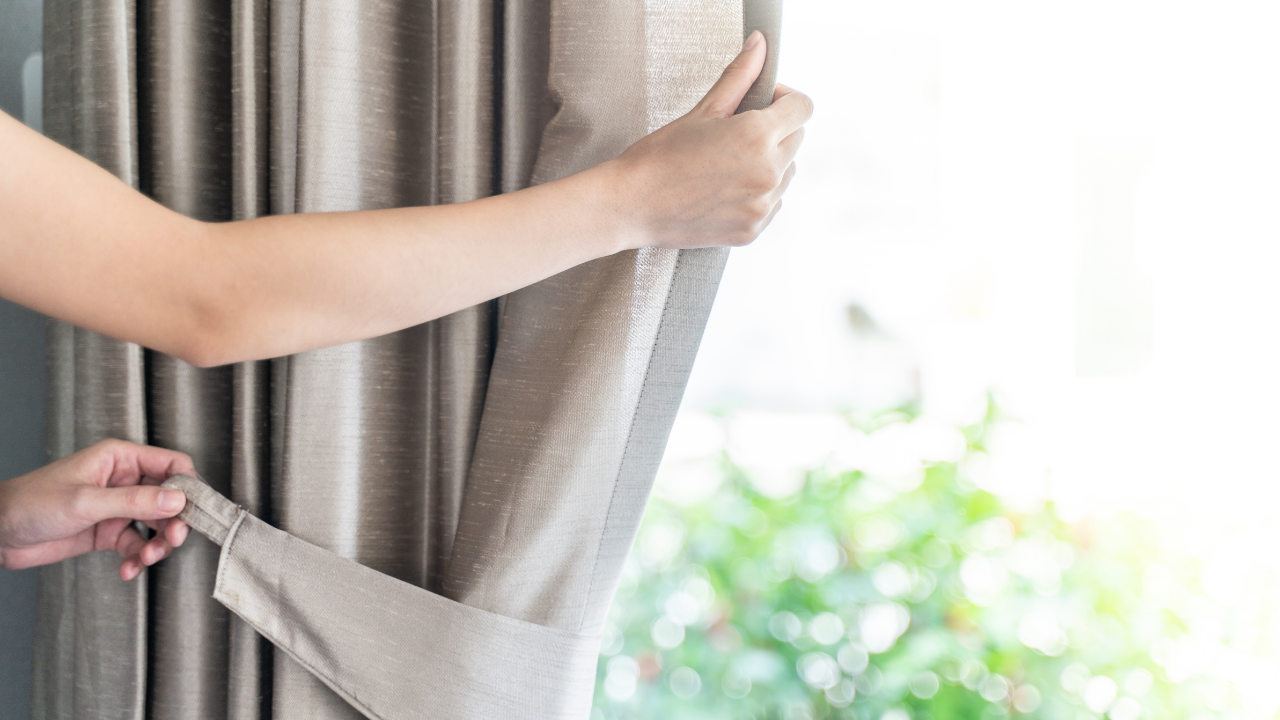
What many homeowners don’t realise is that curtains can play a significant role in trapping allergens and airborne particles. Over time, these contaminants build up within the fabric and may contribute to poor indoor air quality and increased allergy symptoms.
While curtain cleaning is not a cure for allergies or asthma, regular professional cleaning can help reduce the presence of common irritants and create a cleaner, healthier home environment.
How Curtains Act as Filters
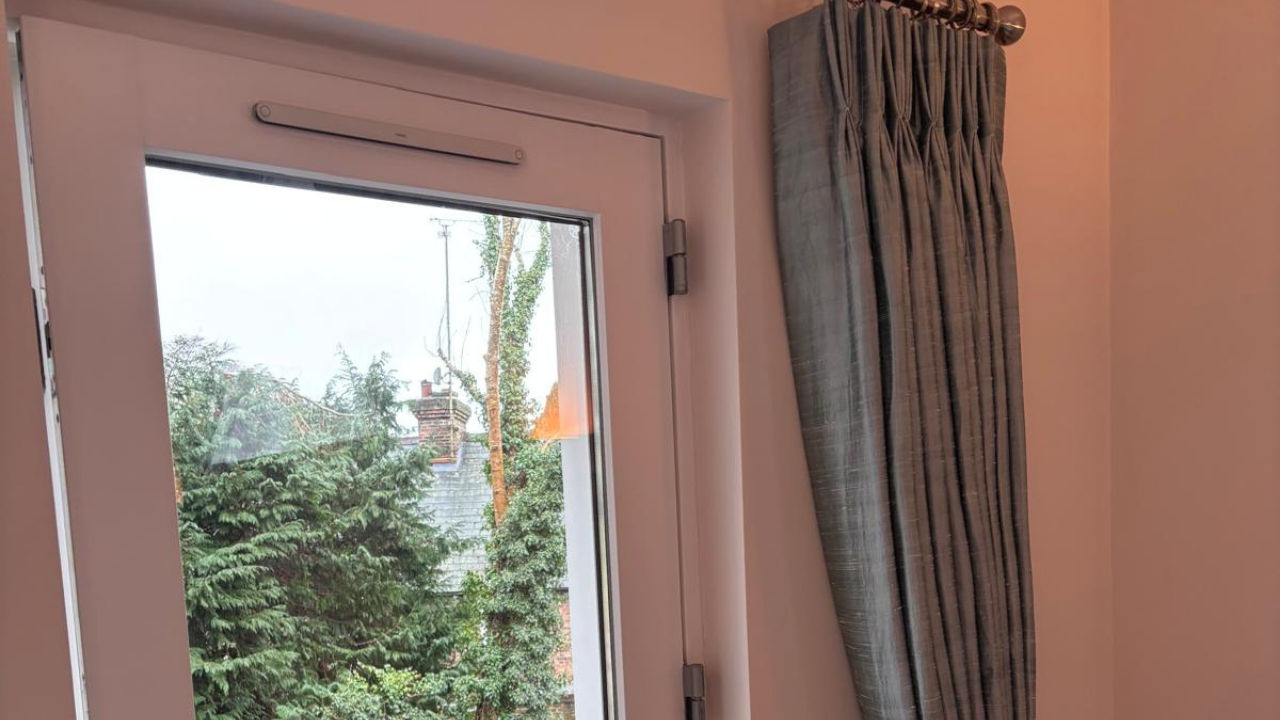
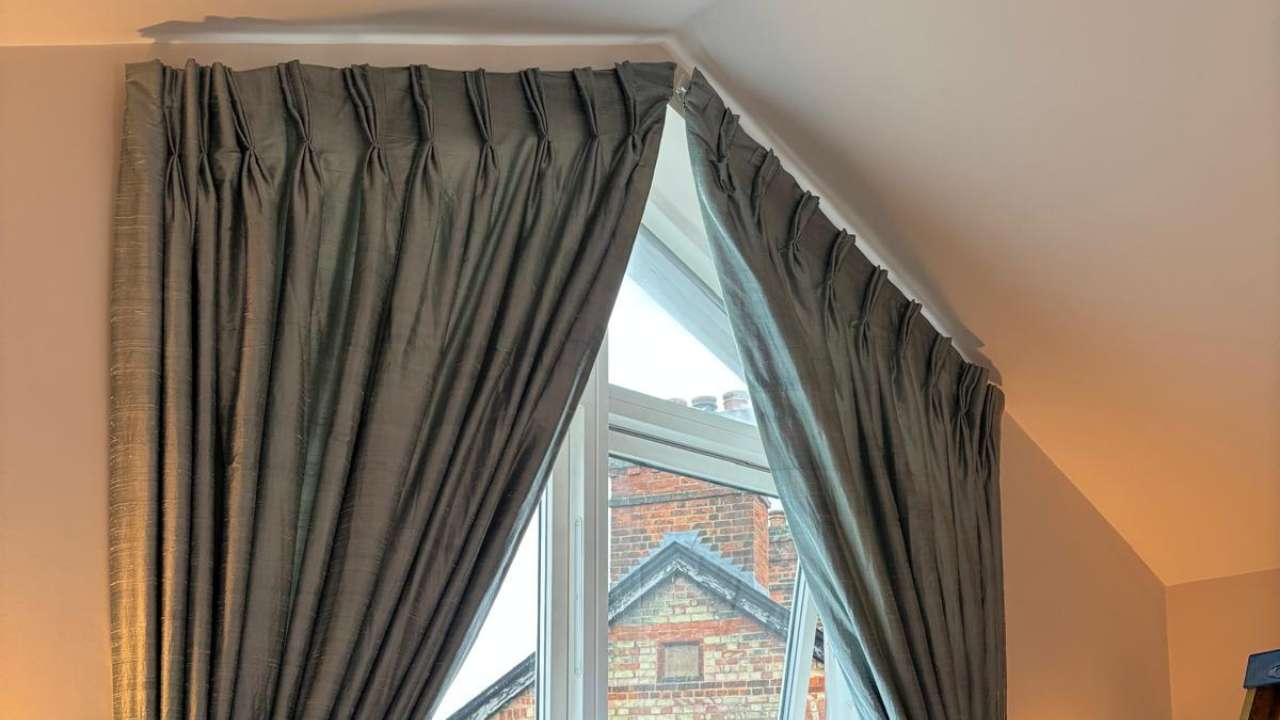
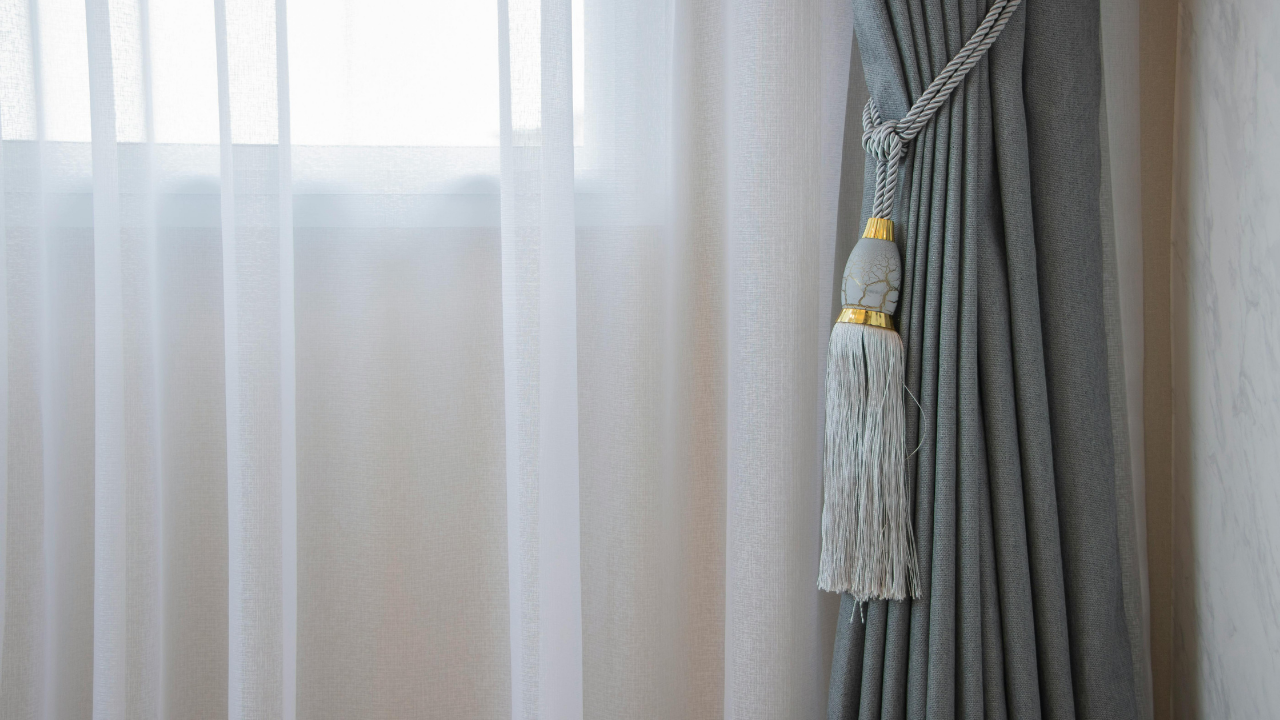
Curtains are constantly exposed to the air circulating throughout your home.
As air moves around a room, curtains naturally collect and trap:
- Dust
- Pollen
- Pet dander
- Dust mites
- Mould spores
- Airborne pollutants
In many ways, curtains act like large fabric filters.
While this helps remove particles from the air, those contaminants remain trapped within the fabric until they are properly removed through cleaning.
The Hidden Build-Up You Can’t See
One of the challenges with curtains is that allergens are often invisible.
A curtain may appear perfectly clean while still containing significant amounts of:
- Microscopic dust particles
- Dust mite waste
- Pollen residue
- Pet allergens
- Environmental pollutants
Because this build-up happens gradually, many homeowners don’t realise how much contamination has accumulated over time.
Common Household Allergens Found in Curtains
Dust Mites
Dust mites are one of the most common indoor allergy triggers.
These microscopic organisms thrive in soft furnishings and feed on tiny particles of skin that naturally shed from people and pets.
Curtains provide an ideal environment for dust mites to accumulate over time.
Pollen
Pollen enters the home through:
- Open windows
- Clothing
- Shoes
- Pets
Once inside, it often settles on soft furnishings, including curtains.
During spring and summer, pollen build-up can become particularly noticeable for allergy sufferers.
Pet Dander
Pet dander consists of tiny skin particles shed by animals.
These particles are lightweight and easily become airborne before settling on surfaces throughout the home.
Curtains frequently collect pet dander, especially in homes with dogs and cats.
Airborne Pollutants
Traffic fumes, smoke particles, and general environmental pollution can all enter the home and become trapped within curtain fabrics.
This is particularly common in properties located near busy roads or urban areas.
How Dirty Curtains Can Affect Indoor Air Quality
Every time curtains are:
- Opened
- Closed
- Brushed against
- Disturbed by airflow
small particles trapped within the fabric can be released back into the room.
This repeated circulation may contribute to ongoing exposure to allergens and irritants.
Professional cleaning helps remove these contaminants from the fabric rather than simply moving them around the home.
Can Curtain Cleaning Improve Allergy Symptoms?
Many allergy sufferers notice improvements when dust and allergen levels within the home are reduced.
Professional curtain cleaning can help by removing:
- Dust build-up
- Pollen deposits
- Pet dander
- Dust mites and associated debris
- Airborne pollutants
While results will vary from person to person, cleaner curtains can form an important part of a wider strategy to improve indoor air quality.
The Benefits for Asthma Sufferers
People with asthma are often sensitive to airborne irritants.
Reducing the amount of dust and contamination trapped within soft furnishings may help create a cleaner indoor environment.
Professional curtain cleaning can contribute to:
- Fresher indoor air
- Reduced dust levels
- Fewer trapped allergens
- Improved overall cleanliness
When combined with regular cleaning of carpets, rugs, and upholstery, curtain cleaning can help support a healthier home environment.
Why Vacuuming Curtains Isn’t Enough
While occasional vacuuming can help remove surface dust, it cannot effectively eliminate contaminants embedded deep within the fabric.
Over time, allergens become trapped within the fibres where they are difficult to remove using standard household cleaning methods.
Professional cleaning reaches deeper into the material, helping to remove the build-up that ordinary cleaning often leaves behind.
Other Soft Furnishings to Consider
If allergies are a concern, curtains are only one part of the picture.
Other areas that may benefit from professional cleaning include:
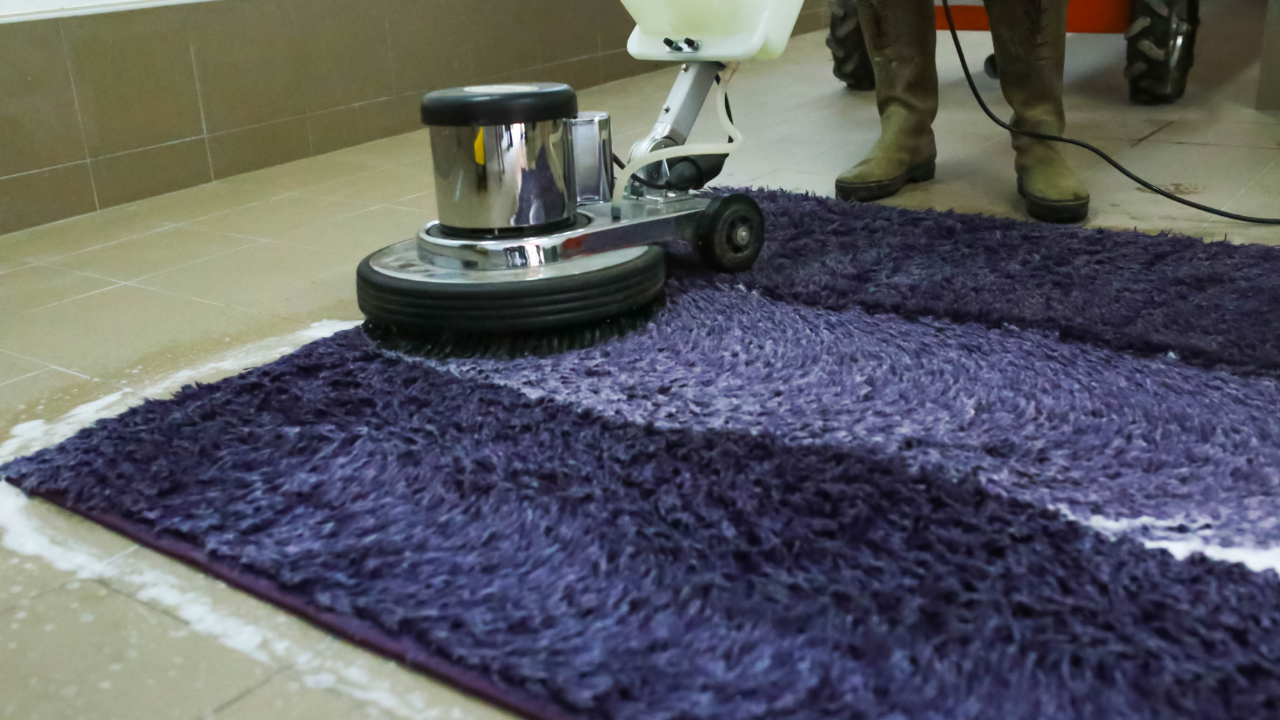
- Rugs
- Carpets
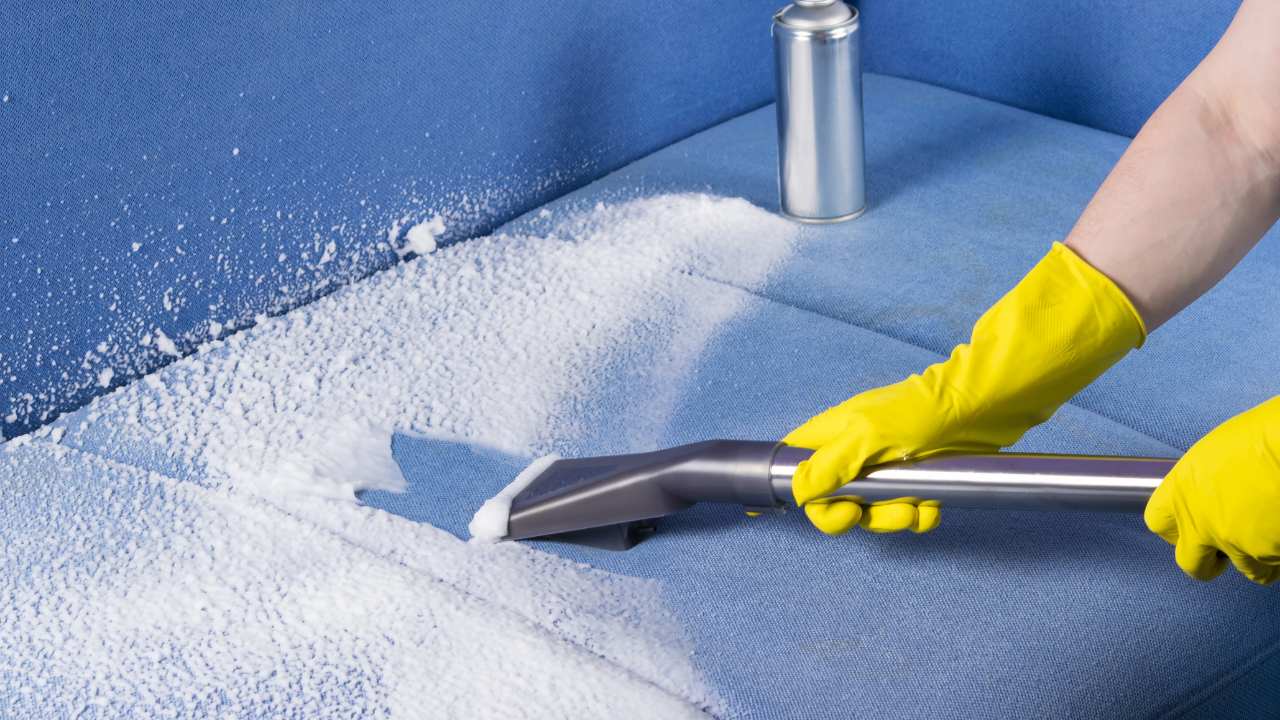
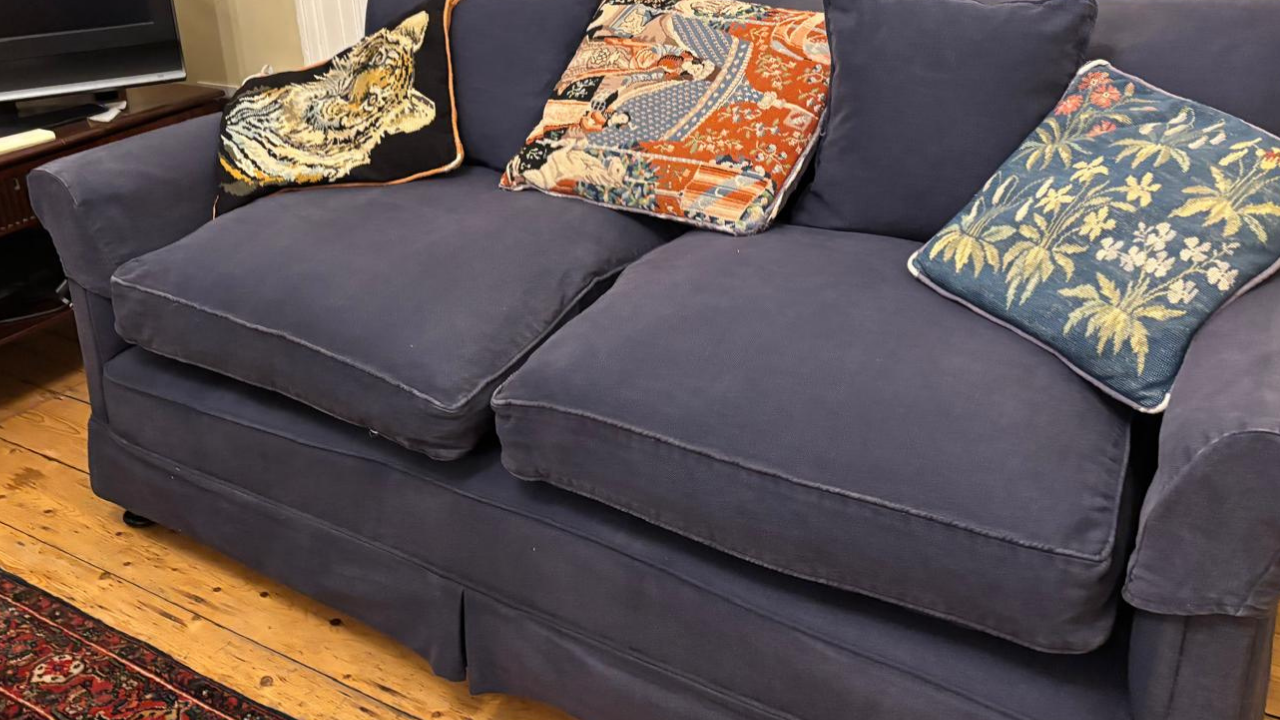
- Sofas
- Upholstered chairs
- Mattresses
- Cushions
Together, these soft furnishings can hold a significant amount of dust and allergens.
How Often Should Curtains Be Cleaned?
For most homes, professional curtain cleaning every 12 to 24 months is recommended.
However, more frequent cleaning may be beneficial if:
- Someone in the household suffers from allergies
- Asthma is a concern
- You have pets
- Windows are frequently open during pollen season
- The property is located near a busy road
Regular maintenance helps prevent excessive allergen build-up and supports better indoor air quality.
A Cleaner Home Starts with Cleaner Curtains
Curtains are often one of the most overlooked areas of the home when it comes to cleaning, yet they can collect a surprising amount of dust, allergens, and airborne contaminants.
Professional curtain cleaning helps remove this hidden build-up, improving freshness, protecting the fabric, and contributing to a healthier indoor environment.
At ESQ Cleaning, we provide specialist curtain cleaning services designed to safely remove dust, allergens, odours, and everyday contamination from all types of curtain fabrics. Whether you’re looking to freshen your home or help reduce allergen levels, our experienced team is here to help.
If your curtains haven’t been professionally cleaned in several years, now could be the perfect time to give them the attention they deserve.