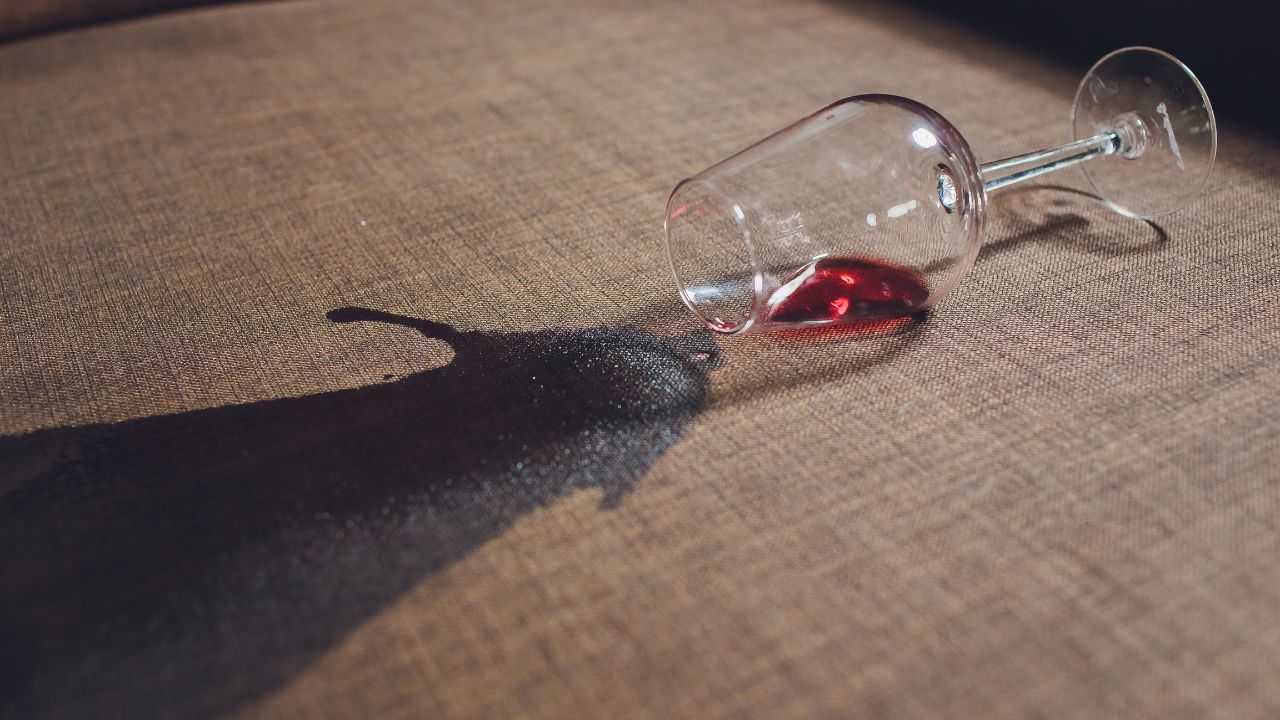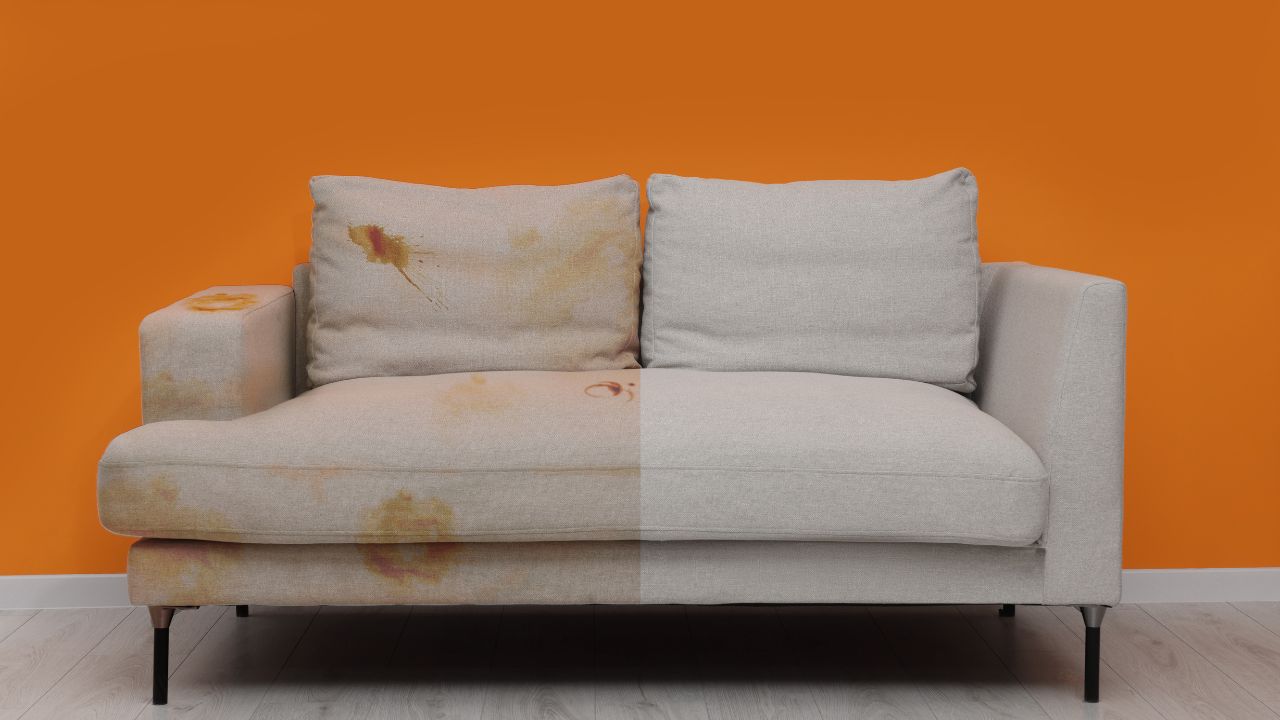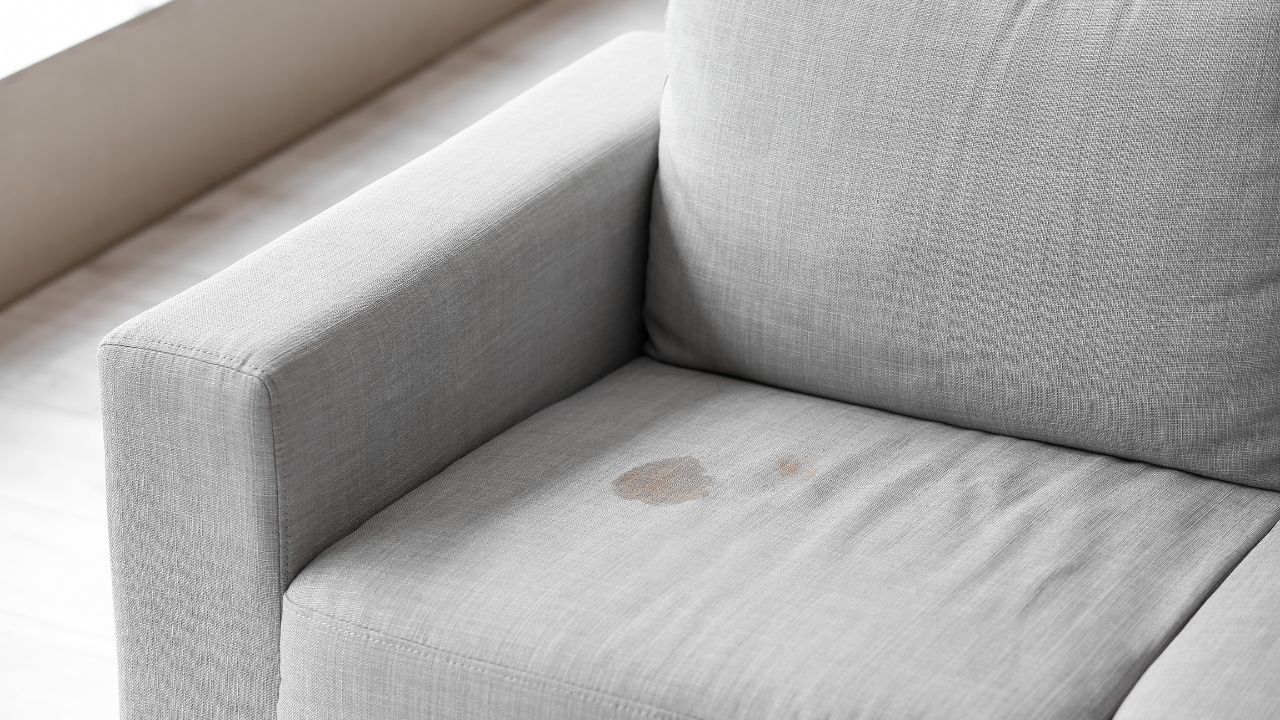

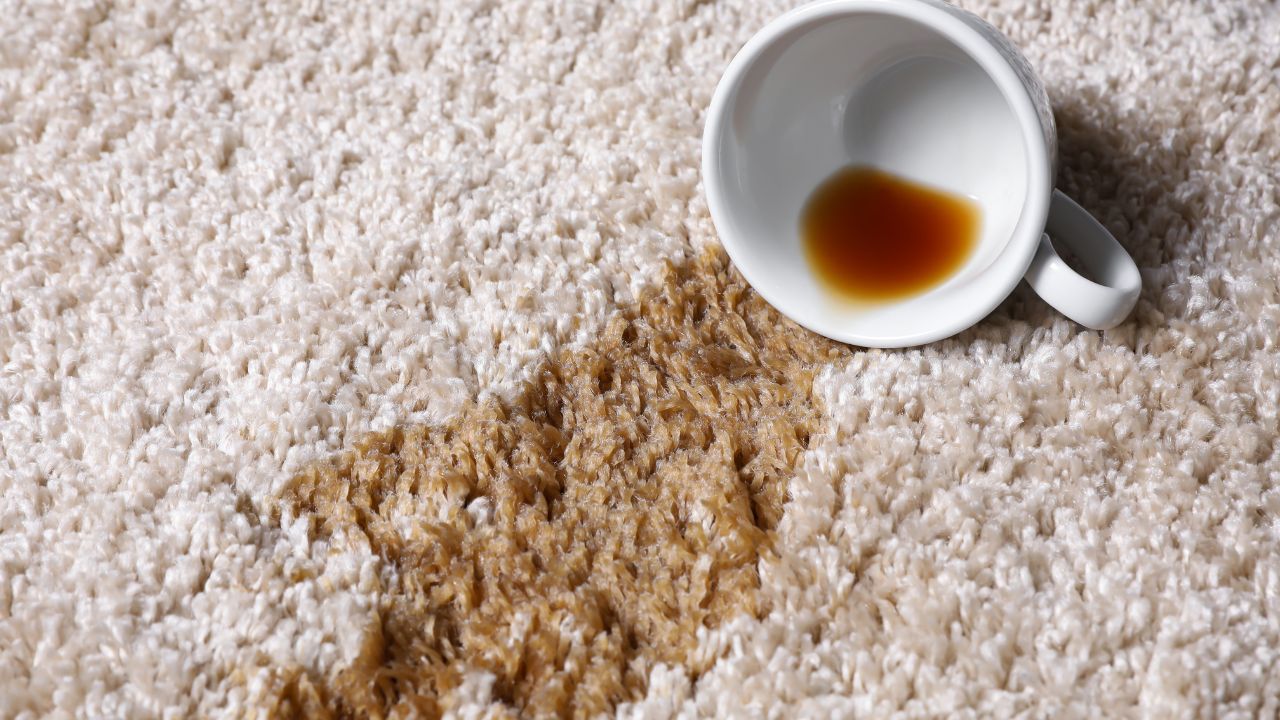
A morning coffee on the sofa sounds like a good idea — right up until half of it ends up on the cushion.
Tea and coffee are among the most common drinks in British homes, which also makes them some of the most common causes of upholstery stains.
So if you’ve spilled a cuppa on your furniture, the obvious question is:
Can coffee and tea stains be removed from upholstery?
In many cases, they can be removed or significantly improved, particularly when treated promptly. However, the result depends on the upholstery fabric, what was in the drink, how long the stain has been present and what has already been used to clean it.
Here’s what you need to know.
Why Do Tea and Coffee Leave Stains?
Tea and coffee contain naturally occurring compounds that can leave visible brown or yellowish staining when absorbed by fibres.
Once liquid enters upholstery, it can travel through the surface fabric rather than simply remaining on top.
As the moisture dries, the visible mark may become more noticeable.
This is why quickly wiping across the surface isn’t always enough.
Does Milk and Sugar Make a Difference?
Yes.
Not every cup of tea or coffee is simply hot water and tea leaves or coffee.
It might also contain:
- Milk
- Cream
- Sugar
- Syrups
- Flavoured creamers
This means you aren’t necessarily dealing with just one type of contamination.
A milky coffee, for example, may leave both visible staining and residues capable of producing an unpleasant smell if they remain within the upholstery.
Tell your cleaner what was spilled if you know.
What Should I Do Immediately After a Spill?
Act quickly but calmly.
Take a clean, absorbent white cloth or towel and blot the area gently.
Don’t scrub backwards and forwards.
The aim is to absorb as much liquid as possible without spreading it further through the fabric.
Move to a clean section of the cloth as moisture is absorbed.
Should I Pour Water on a Coffee Stain?
Avoid saturating the furniture.
It’s tempting to pour water over the area to dilute the drink, but sofas contain absorbent materials underneath the visible upholstery.
Too much water can spread contamination deeper or across a larger area.
It can also increase drying time and potentially contribute to water marks.
Should I Use Washing-Up Liquid?
This is one of the most common DIY treatments.
The problem is that washing-up liquid is designed for cleaning dishes rather than being universally suitable for upholstery.
Using too much may leave detergent residue within the fibres, particularly if you’re unable to rinse it effectively.
That residue can subsequently attract dirt.
Different upholstery fabrics also respond differently to moisture and cleaning products.
What About Bicarbonate of Soda or Vinegar?
Online stain-removal advice frequently recommends household products such as vinegar and bicarbonate of soda.
But there isn’t one homemade solution suitable for every upholstery material.
Before putting anything onto your sofa, you need to consider what the fabric is and whether the treatment could affect its colour, texture or finish.
For valuable or delicate furniture, experimentation can be an expensive gamble.
Can Old Coffee Stains Be Removed?
Older stains can be more difficult, but don’t automatically assume they’re permanent.
Professional stain treatment can sometimes achieve significant improvement even after a mark has been present for a considerable period.
Factors affecting the result include:
- Age of the stain
- Fabric type
- Colour of the upholstery
- Contents of the drink
- Previous cleaning attempts
- Whether the stain has been exposed to heat
- General condition of the furniture
Every situation is different.
Why Has the Stain Come Back After I Cleaned It?
Sometimes a stain appears to disappear while the upholstery is wet, only to return as it dries.
In other cases, a mark may reappear because contamination remains deeper within the upholstery.
This is one reason repeatedly wetting the surface isn’t necessarily an effective solution.
Professional cleaning considers both the visible stain and what’s happening within the material.
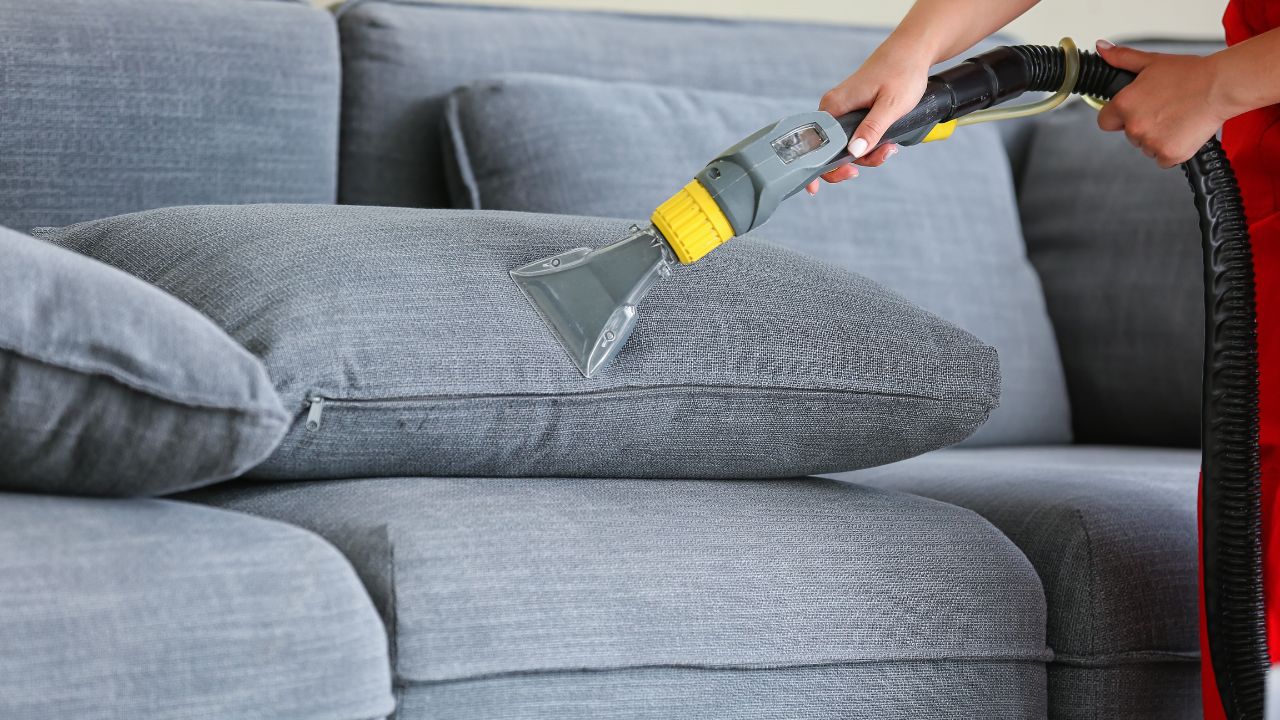
Can Professional Cleaning Remove Tea and Coffee Stains?
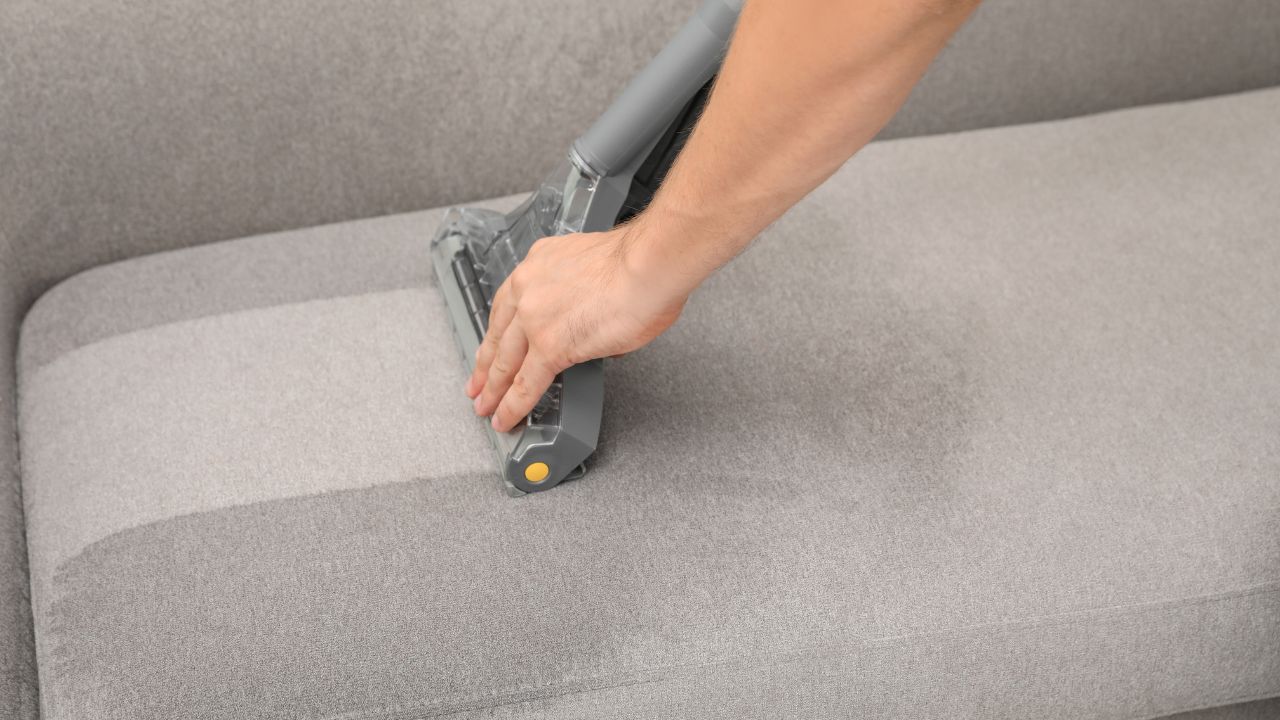
Professional upholstery cleaners can treat many tea and coffee stains successfully.
The furniture should first be assessed so the cleaner understands the fabric and condition.
An appropriate stain treatment can then be selected.
However, no responsible cleaner should guarantee complete removal of every stain before assessing it.
Older stains, previous chemical treatments or permanent colour changes can all affect the final result.
What If I’ve Already Tried to Remove It?
Don’t worry.
Most customers understandably try something themselves before contacting a professional.
Just tell your cleaner what you’ve used, particularly if you’ve applied a commercial stain remover or household cleaning product.
Avoid adding several more products immediately before professional treatment.
Mixing chemicals or repeatedly treating the fabric can make matters more complicated.
Should the Whole Sofa Be Cleaned?
That depends on its overall condition.
If the furniture hasn’t been professionally cleaned for some time, the tea or coffee stain may only be the most obvious problem.
Sofas gradually collect:
- Dust
- Body oils
- Food particles
- Pet contamination
- Everyday dirt
A complete upholstery clean can therefore improve the overall appearance rather than simply treating one isolated mark.
Quick Guide: Tea or Coffee on Your Sofa
If you’ve just had a spill:
DO:
- Act promptly
- Blot with a clean white cloth
- Absorb as much liquid as possible
- Tell your cleaner what was spilled
DON’T:
- Scrub the fabric
- Flood it with water
- Apply several different chemicals
- Use heat
- Assume an old stain can’t be treated
Simple, careful action is usually better than aggressive DIY stain removal.
Professional Tea & Coffee Stain Treatment from ESQ Cleaning
Whether it’s the morning coffee, afternoon tea or a full mug knocked over by the dog, accidents happen.
At ESQ Cleaning, we provide professional upholstery cleaning and stain treatment for sofas, armchairs, dining chairs and other upholstered furniture.
We’ll assess the material and staining before deciding on an appropriate treatment.
Spilled Your Cuppa on the Sofa?
Don’t panic — and don’t start scrubbing.
Contact ESQ Cleaning for professional upholstery cleaning and stain treatment advice or a free quotation.