
If you’ve invested in a good-quality sofa, it’s understandable to be cautious about having it cleaned.
Will the colour run? Could the fabric shrink? Will cleaning leave water marks? Could the texture change?
These are sensible questions — particularly if your furniture is expensive, delicate or made from a material you’re unfamiliar with.
So, can a sofa be professionally cleaned without damaging the fabric?
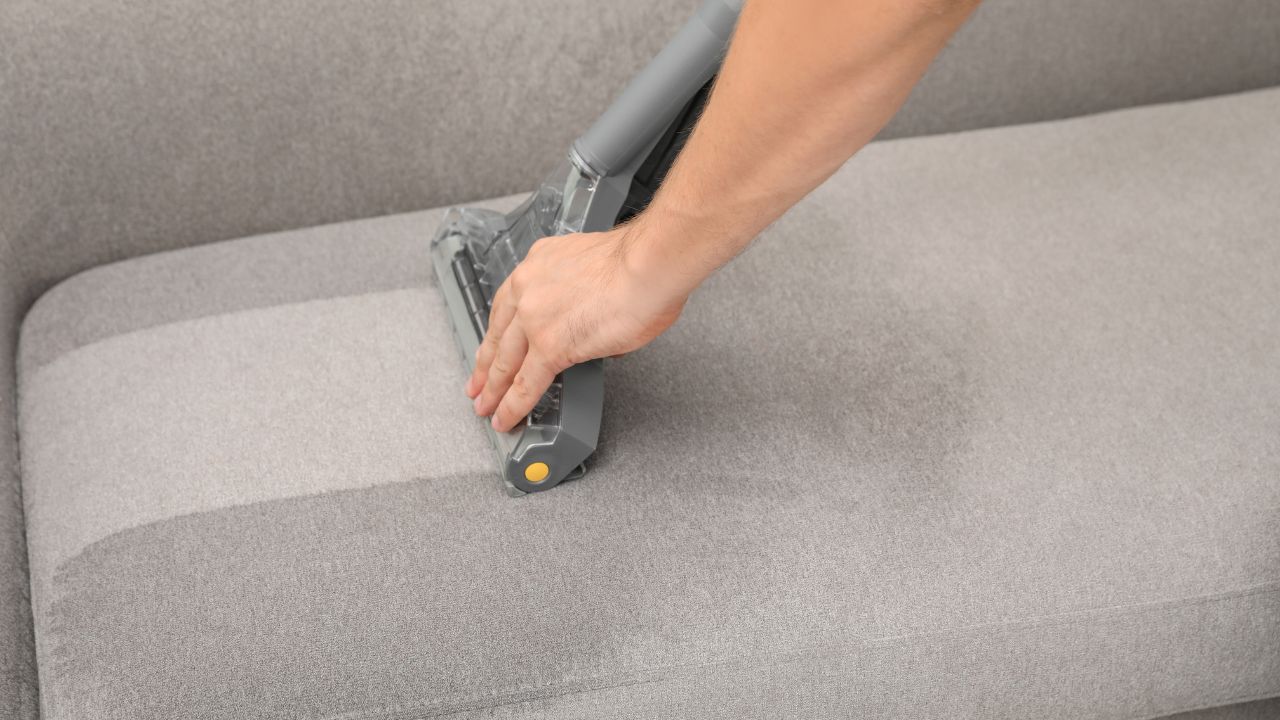
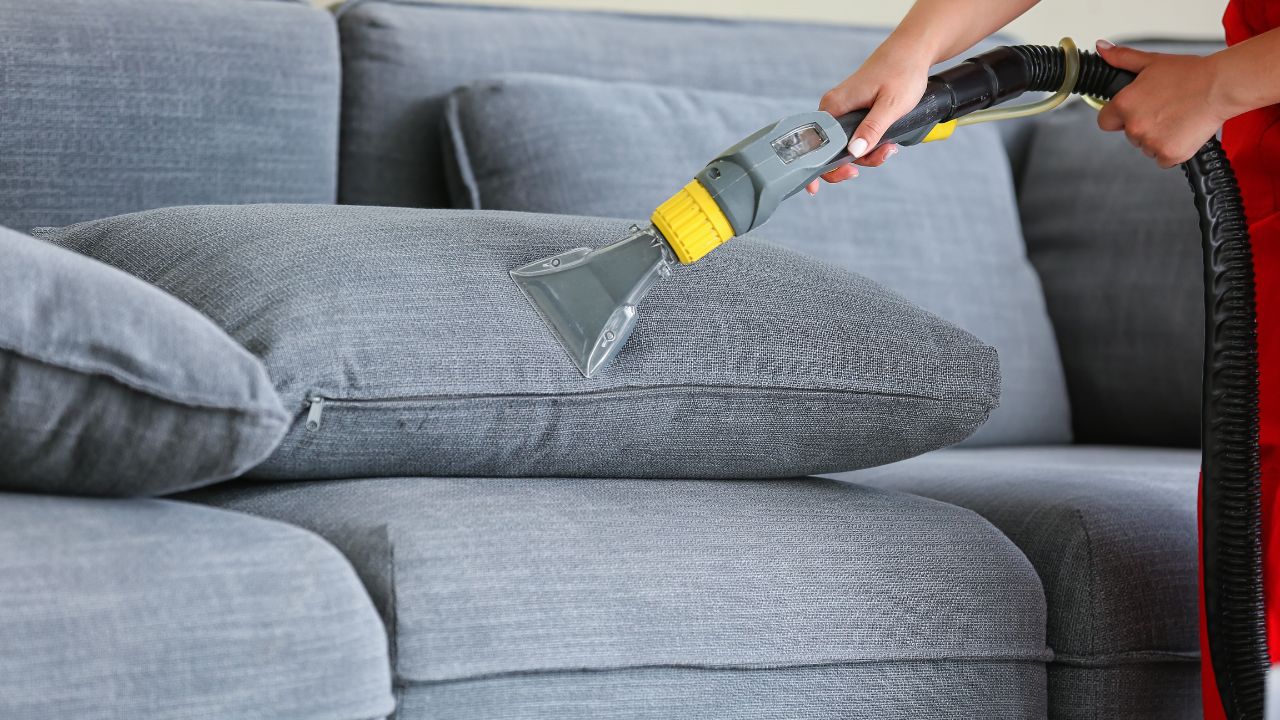
With appropriate assessment, equipment, products and cleaning methods, professional upholstery cleaning is designed to clean the furniture while protecting the material.
The important point is that not every sofa should be cleaned in exactly the same way.
Why Upholstery Fabric Matters
Walk around a furniture showroom and you’ll see sofas made from an enormous range of materials.
These can include natural fibres, synthetic fibres and blends.
Different materials behave differently when exposed to:
- Water
- Heat
- Cleaning products
- Agitation
- Stain treatments
A cleaning method suitable for one sofa isn’t automatically appropriate for another.
That’s why professional upholstery cleaning should start with understanding the material rather than simply reaching for a cleaning machine.
What Should Happen Before a Sofa Is Cleaned?
Before cleaning begins, the upholstery should be assessed.
This may involve considering:
- Fabric type
- Overall condition
- Colour stability
- Existing damage
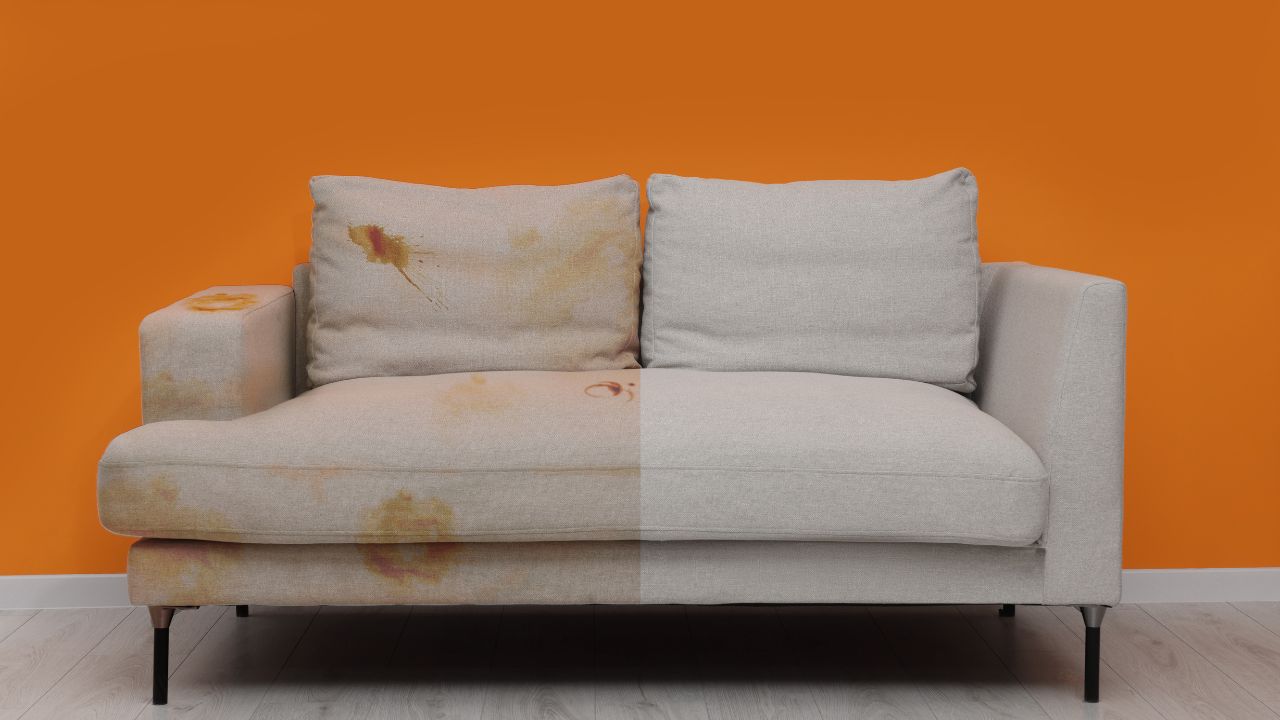
- Stains
- Areas of heavy soiling
- Manufacturer information where available
- Previous cleaning attempts
This helps determine an appropriate cleaning method.
It’s also an opportunity for the customer to point out any particular concerns.
Can Sofa Colours Run During Cleaning?
Some fabrics and dyes can be more sensitive than others.
This is one reason colour stability matters.
Applying excessive moisture or an unsuitable cleaning product without understanding the upholstery could potentially create problems.
Professional cleaning isn’t about using the strongest possible chemical.
It’s about using an appropriate treatment for the material and contamination involved.
Can Upholstery Shrink?
Certain materials can be more susceptible to dimensional changes than others, particularly if they’re handled incorrectly.
Excess moisture and inappropriate drying conditions can increase risk with sensitive fabrics.
A knowledgeable upholstery cleaner considers these factors when choosing how the furniture should be treated.
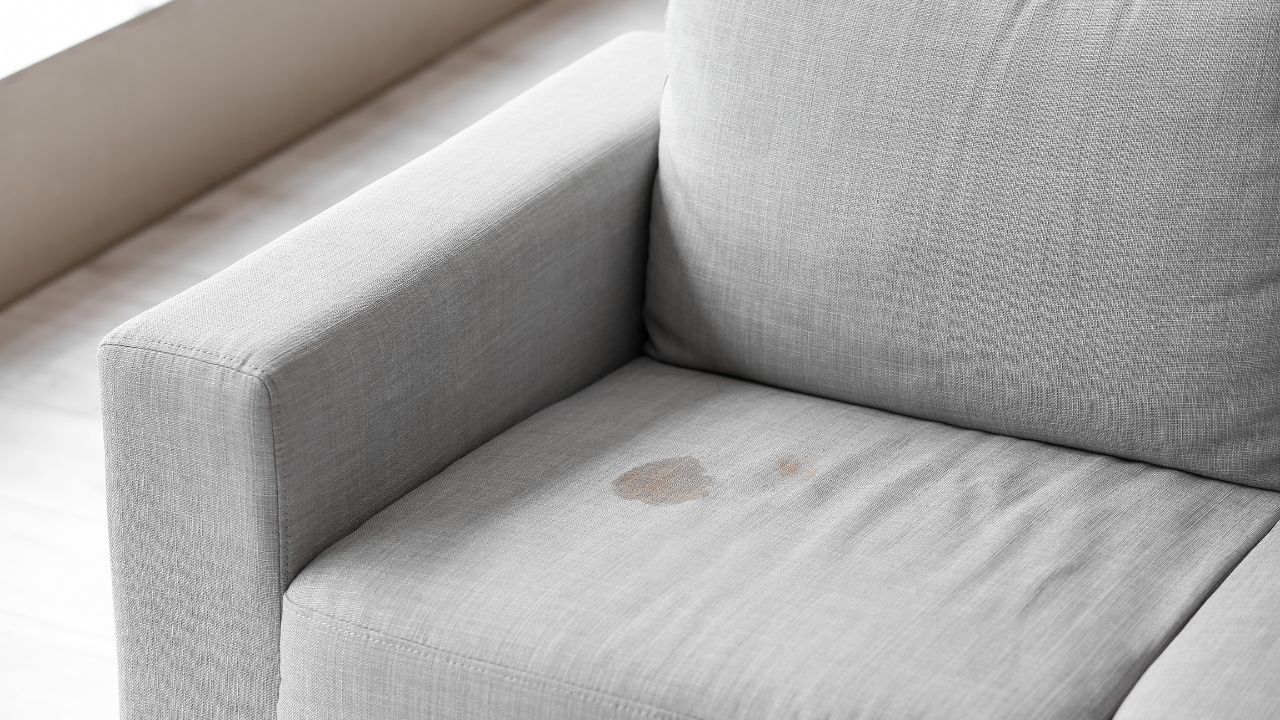
What Causes Water Marks on Sofas?
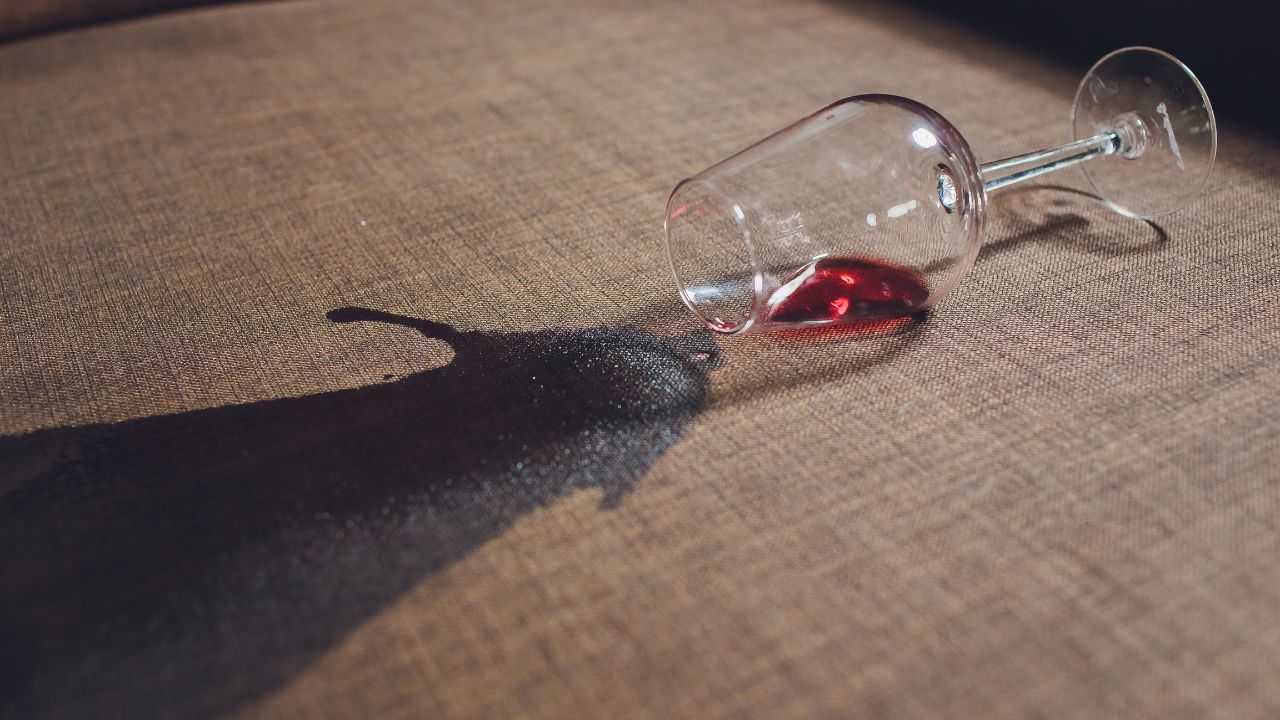
Water marks can occur when moisture is applied unevenly or when contaminants move as an area dries.
They’re particularly associated with inappropriate spot-cleaning attempts.
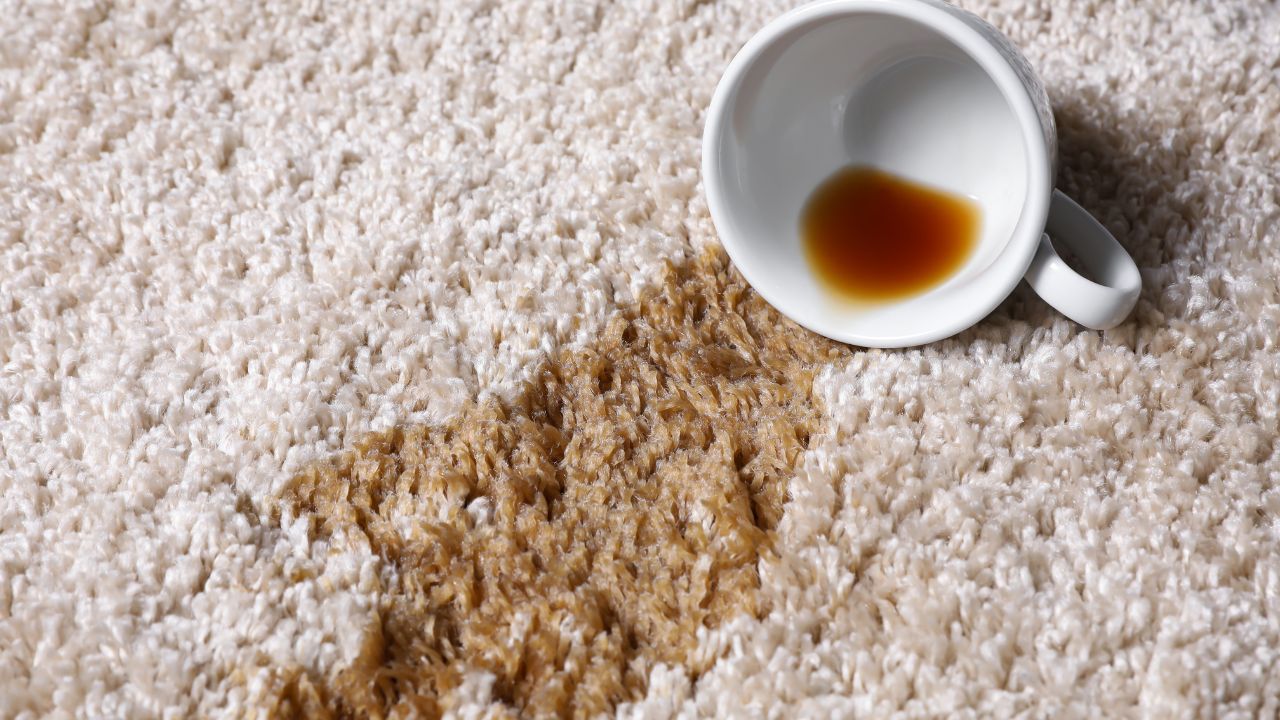
This is one reason repeatedly wetting a stain with household products can sometimes turn a small mark into a much larger visible area.
Professional cleaning aims to manage moisture carefully and provide a consistent result.
What About Delicate Upholstery?
Delicate or unusual fabrics may require a different approach from standard everyday upholstery.
If you know what material your sofa is made from, tell your cleaner when requesting a quotation.
If you still have the manufacturer’s information or care label, that can also be useful.
If you’re unsure, don’t worry — that’s extremely common.
Assessment is part of determining what can safely be done.
Is DIY Sofa Cleaning More Likely to Cause Damage?
DIY cleaning doesn’t automatically damage a sofa, but problems can occur when people don’t know what material they’re treating.
Common mistakes include:
- Using too much water
- Scrubbing aggressively
- Using unsuitable stain removers
- Applying household detergents
- Using excessive heat
- Failing to dry the furniture properly
- Mixing cleaning chemicals
Perhaps the biggest risk is assuming that because a product worked on one sofa, it’ll work on another.
Can Stain Removal Damage Upholstery?
Stain treatment requires the same care as general cleaning.
The goal isn’t to remove a stain at absolutely any cost.
If removing a small stain means bleaching or damaging the surrounding fabric, that clearly isn’t a successful outcome.
The cleaner must balance stain removal with protecting the upholstery.
This is also why complete removal of every stain can’t responsibly be guaranteed.
What If My Sofa Is Already Damaged?
Professional cleaning can’t repair physical wear.
If upholstery is already:
- Torn
- Heavily worn
- Faded
- Bleached
- Frayed
- Permanently discoloured
cleaning may improve general cleanliness but won’t reverse that damage.
Existing wear should ideally be identified before cleaning so expectations are clear.
Will Professional Cleaning Change the Texture?
The aim is to maintain the appearance and feel of the upholstery while removing contamination.
However, different fibres behave differently, which again highlights the importance of choosing the correct process.
If your sofa has an unusual texture, specialist finish or delicate pile, mention it when arranging cleaning.
Why Experience Matters
Professional upholstery cleaning involves considerably more than owning a cleaning machine.
Understanding fabrics, fibres, stains, moisture and cleaning products is a significant part of the job.
That knowledge allows the cleaning process to be adapted to the furniture rather than treating every sofa identically.
Professional Sofa Cleaning from ESQ Cleaning
At ESQ Cleaning, we understand that your furniture is an investment.
That’s why our upholstery cleaning service begins by considering the material, condition and individual requirements of the furniture we’re cleaning.
Whether it’s a family sofa, armchair, dining chairs or a large corner suite, our aim is to achieve excellent cleaning results while treating your upholstery with appropriate care.
Worried About Having Your Sofa Cleaned?
Speak to us before you decide.
Contact ESQ Cleaning for professional upholstery cleaning advice and a free quotation.