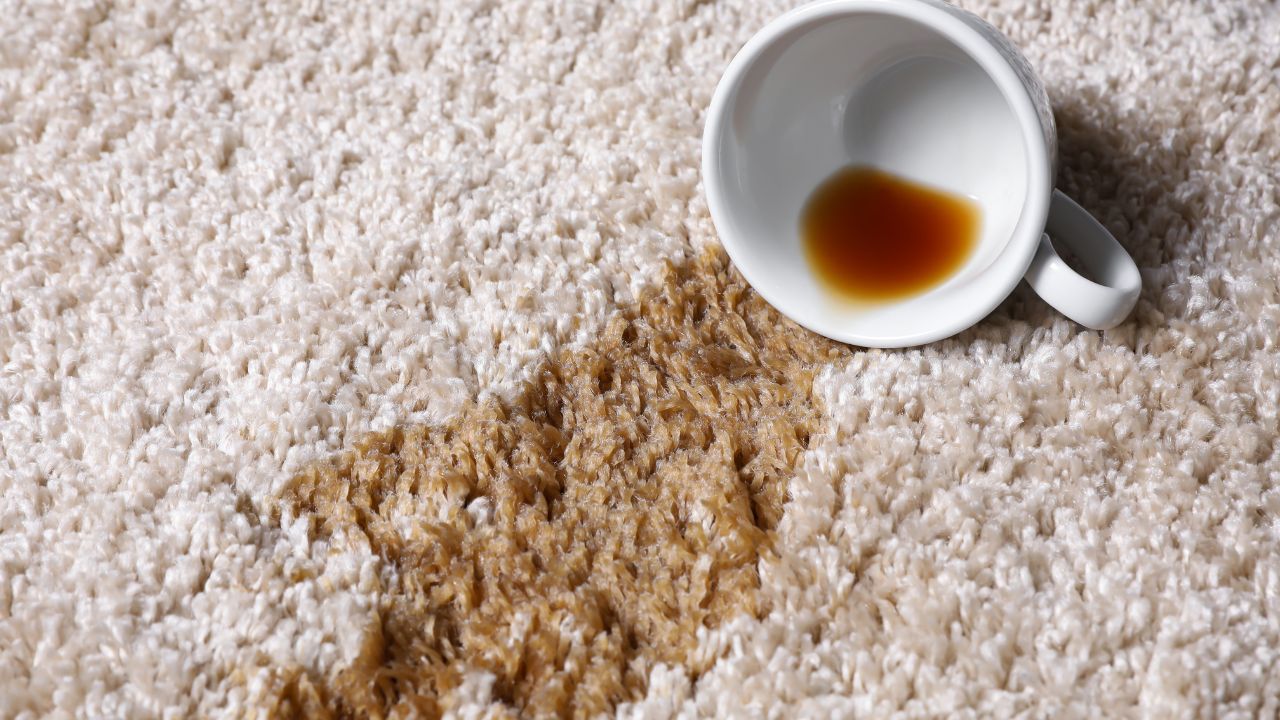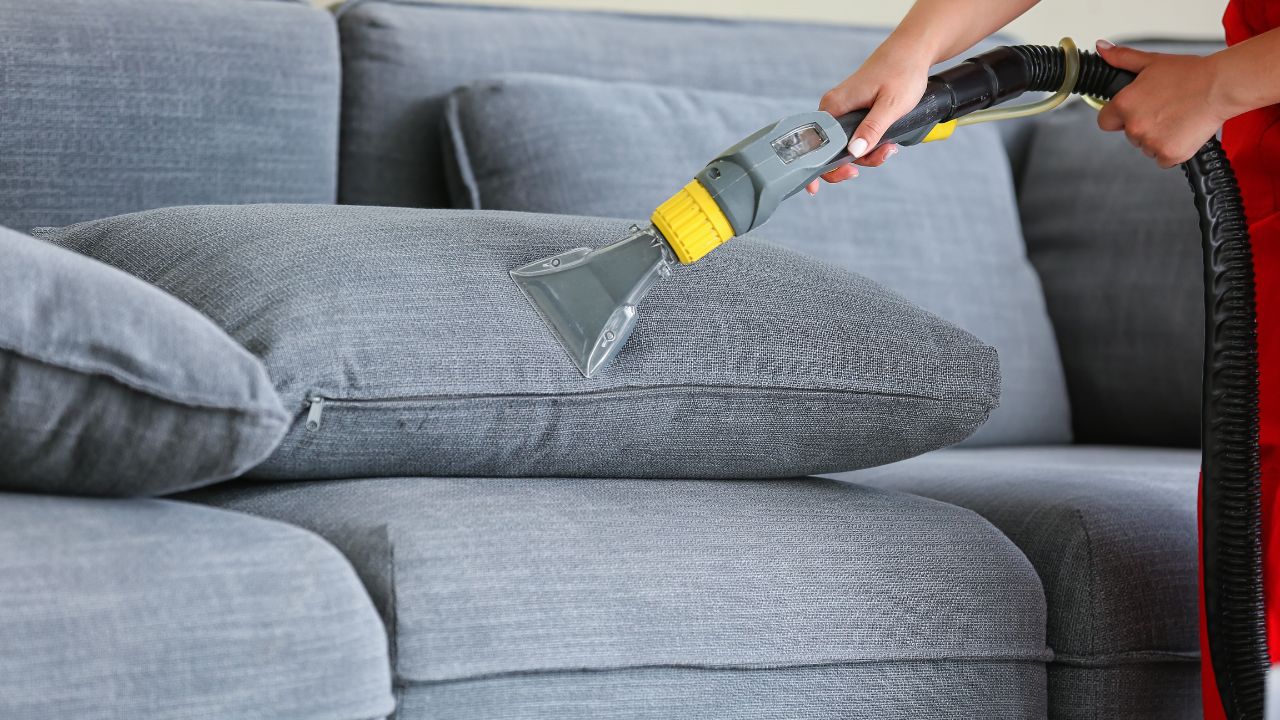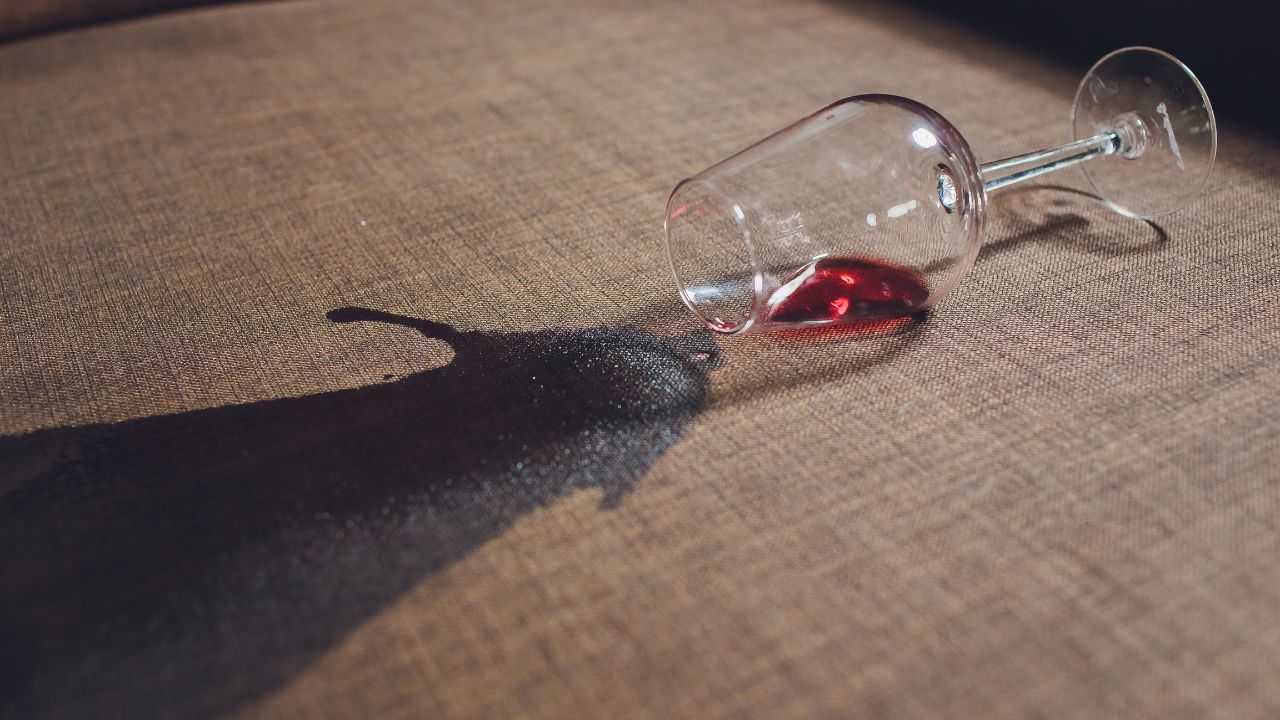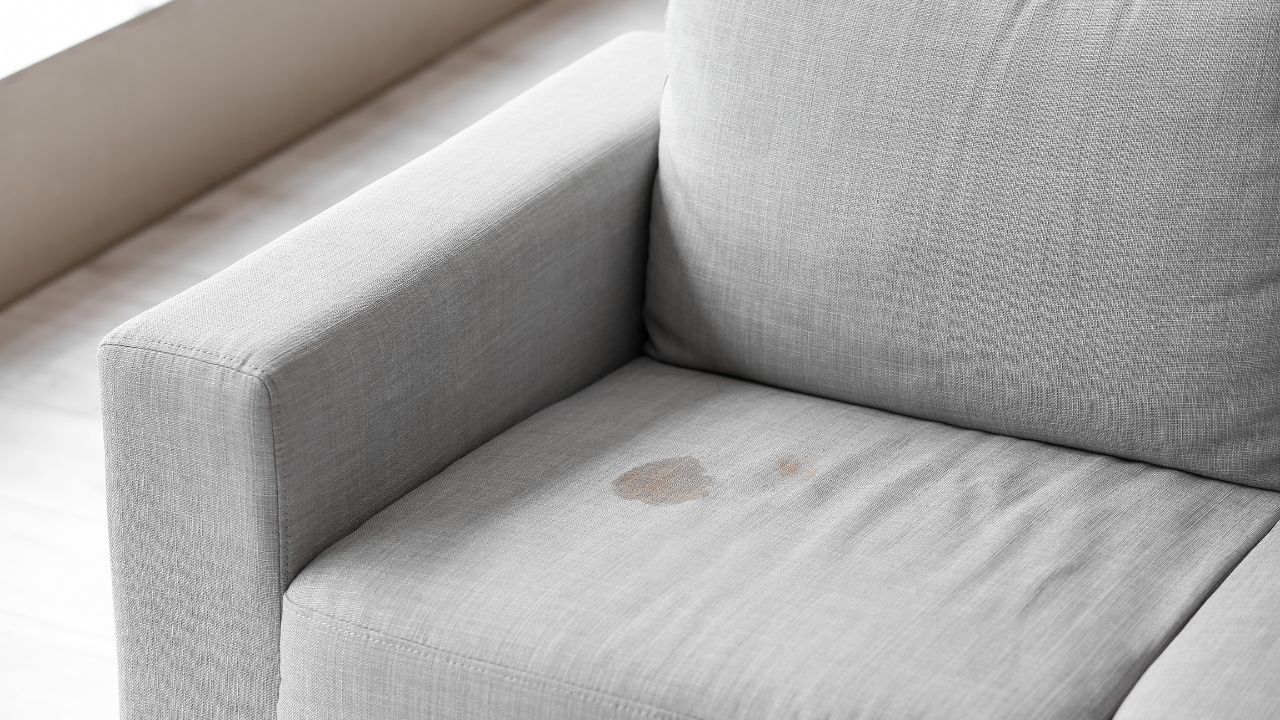

You move a cushion and rediscover a stain that’s been there for months. Or perhaps there’s a mark on your sofa that you’ve simply learned to live with because you assumed it was too old to remove.
But can old stains still be removed from a sofa?
The answer is: sometimes, yes.
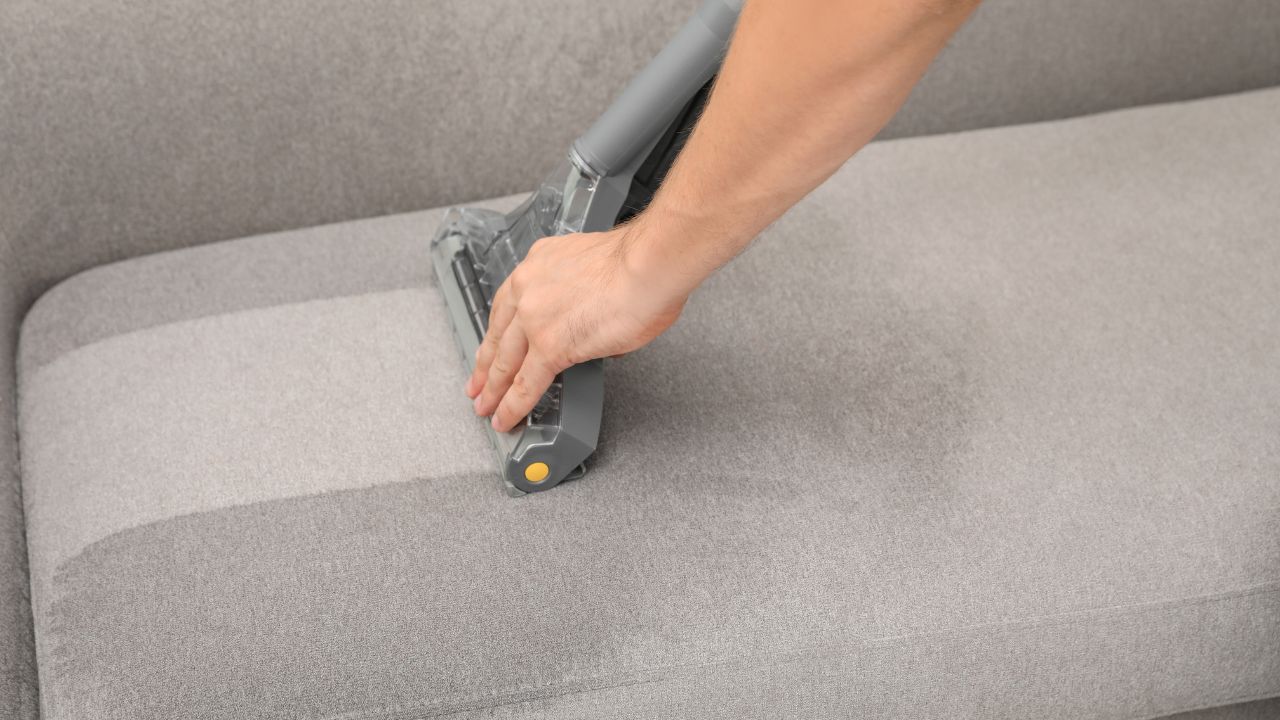
The age of a stain can make removal more difficult, but an old stain isn’t automatically a permanent stain. Professional upholstery cleaning can often remove or significantly improve marks that have been present for a surprisingly long time.
What matters is what caused the stain, the upholstery material and what has happened to it since.
Why Do Old Stains Become Harder to Remove?
When something is first spilled onto upholstery, it may initially sit close to the surface.
Over time, the substance can travel deeper into the fibres, dry, oxidise or interact with the fabric and its dyes.
Everyday use can also contribute.
Sitting on the affected area, heat, moisture and repeated exposure to dirt may all influence how the stain develops.
Generally, treating a spill quickly gives you the best chance of removal — but that doesn’t mean older marks should simply be written off.
What Types of Old Sofa Stains Can Be Treated?
Professional cleaners regularly encounter old stains caused by:
- Tea
- Coffee
- Food
- Sauces
- Wine
- Grease
- Makeup
- Mud
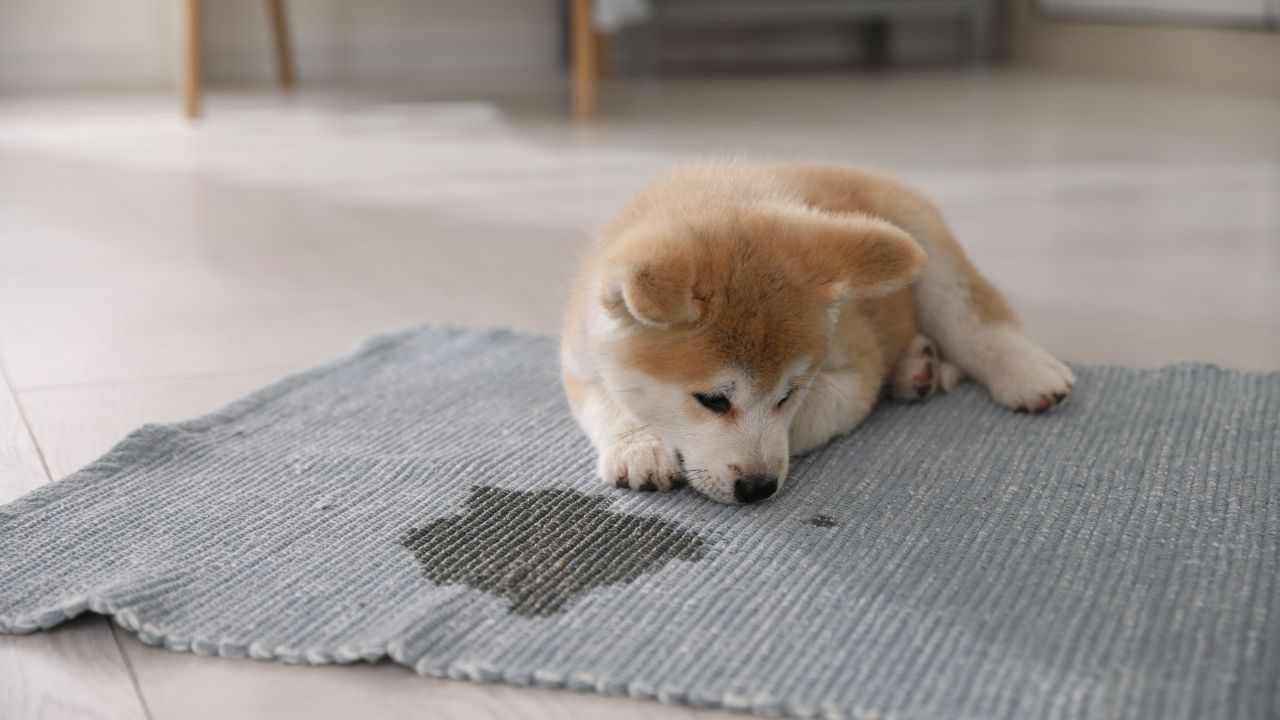
- Pet accidents
- Drinks
- General dirt
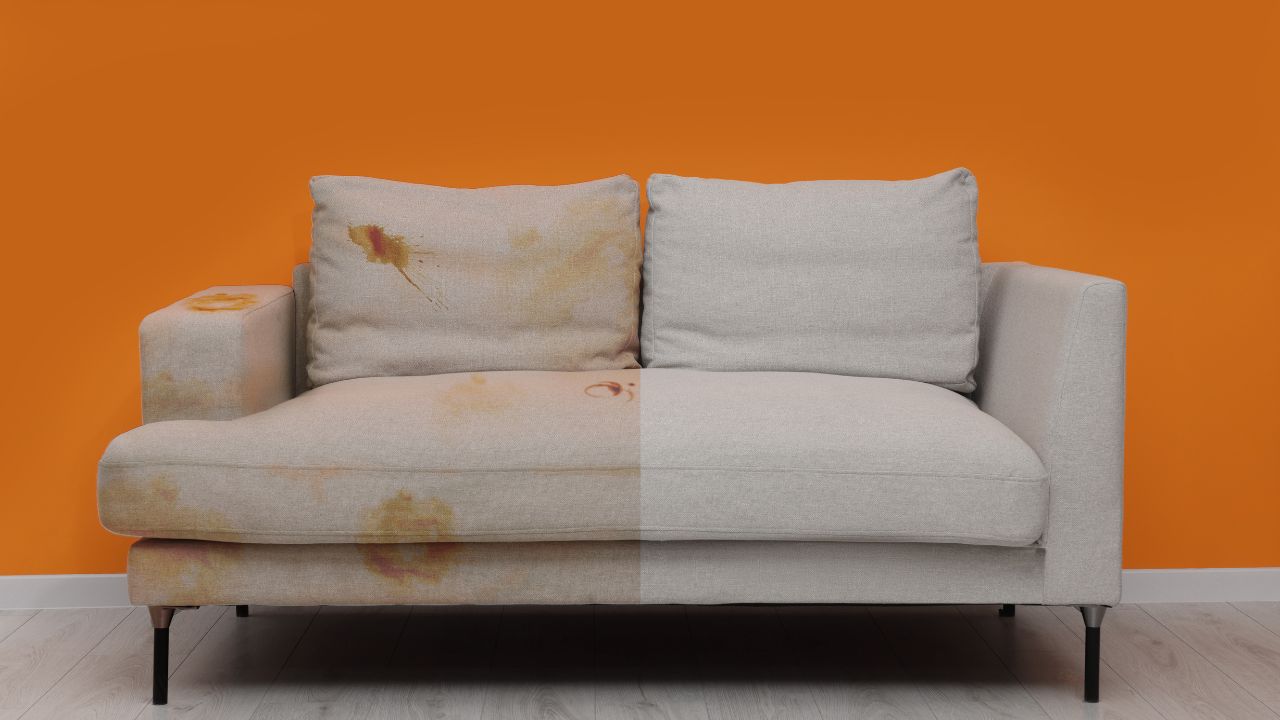
Some may respond extremely well to treatment.
Others may improve substantially without disappearing completely.
Every stain is different.
Does It Matter If I Don’t Know What Caused It?
Not necessarily.
“Mystery stains” are incredibly common, particularly in busy family homes.
Maybe nobody remembers what happened, the children aren’t admitting anything, or the sofa was already marked when you acquired it.
Knowing the cause can help determine an appropriate treatment, but an experienced cleaner can still assess the appearance, location and characteristics of an unidentified stain.
What If I’ve Already Tried to Clean It?
Tell your cleaner.
This is genuinely useful information.
A stain that has never been touched may behave differently from one that has previously been treated with several products.
If you’ve used:
- Washing-up liquid
- Carpet cleaner
- Upholstery spray
- Laundry detergent
- Pet stain remover
- Supermarket stain remover
- Homemade cleaning solutions
mention it if you can.
There’s no judgement involved — most people naturally try to clean a spill themselves first.
It simply helps the cleaner understand what’s already happened to the area.
Can DIY Cleaning Set a Stain Permanently?
Sometimes previous treatment can make subsequent removal more difficult.
Aggressive rubbing may spread the contamination or damage fibres.
Excessive moisture can leave water marks.
Some chemicals can interact with the upholstery dyes.
Heat can also cause problems with certain types of stains.
That’s why repeatedly applying stronger products isn’t necessarily the answer when a mark refuses to disappear.
Is It Actually a Stain?
This is an important question.
Not every discoloured patch can be removed through cleaning because not every discoloured patch is caused by dirt.
For example, you might actually be looking at:
- Sun fading
- Fabric wear
- Dye loss
- Bleach damage
- Fibre damage
- Previous chemical damage
If colour has physically been removed from the fabric, cleaning cannot restore the missing dye.
Similarly, heavily worn upholstery may appear different because the fibres themselves have changed.
Professional assessment can help distinguish between removable contamination and permanent material changes.
Can Professional Cleaning Guarantee Removal?
No responsible professional cleaner should guarantee that every old stain will disappear.
There are simply too many variables.
These include:
- Fabric type
- Stain type
- Age of the stain
- Previous cleaning attempts
- Dye stability
- Fabric condition
- Depth of contamination
What professional treatment can provide is the best appropriate opportunity to remove or improve the stain without unnecessarily risking the surrounding upholstery.
Should the Whole Sofa Be Cleaned?
Sometimes customers contact us about one individual mark, but the rest of the sofa has also gradually become dirty.
Because this happens slowly, you don’t always notice it.
Body oils, dust, food particles and general household contamination accumulate over time.
Treating the stain alongside a professional clean of the whole sofa can provide a much more consistent overall appearance.
Is an Old Stain Worth Getting Looked At?
If the alternative is replacing otherwise perfectly usable furniture, absolutely.
A sofa can be structurally sound but look tired simply because of staining and accumulated dirt.
Professional cleaning isn’t capable of reversing physical wear or permanent damage, but it can sometimes transform furniture people assumed needed replacing.
It’s worth finding out what’s possible before writing the sofa off.
What Should I Do with an Old Stain Now?
If the stain has already been there for months, there’s little benefit in suddenly attacking it with several household chemicals before your professional cleaner arrives.
Leave it alone and explain what you know about it.
If possible, tell your cleaner:
- Approximately how old it is
- What caused it
- What you’ve previously used
- Whether its appearance has changed
- Whether there’s an associated smell
A photograph may also be useful when requesting advice or a quotation.
Professional Sofa Stain Removal from ESQ Cleaning
At ESQ Cleaning, we regularly clean upholstered furniture affected by both recent and established stains.
We assess the upholstery and staining before choosing an appropriate treatment, with the aim of achieving the best possible improvement while protecting the fabric.
Given Up on an Old Sofa Stain?
Don’t assume an old stain automatically means permanent damage.
Contact ESQ Cleaning for advice or a free upholstery cleaning quotation and let us take a look at it.