


When people think about air pollution, they often picture busy roads, factory emissions, or smog-filled city centres. However, what many homeowners don’t realise is that the air inside their home can sometimes contain more pollutants than the air outside.
Every day, dust, allergens, pet dander, pollen, and airborne particles circulate throughout our homes. While much of this contamination is invisible, it can affect indoor air quality and contribute to a range of health concerns, particularly for people with allergies, asthma, or respiratory sensitivities.
Professional cleaning plays an important role in reducing these contaminants and creating a cleaner, healthier living environment.
What Is Indoor Air Quality?
Indoor air quality refers to the cleanliness and condition of the air inside a property.
Good indoor air quality means lower levels of:
- Dust
- Allergens
- Airborne pollutants
- Pet dander
- Bacteria
- Unpleasant odours
Poor indoor air quality can make a home feel stuffy, dusty, or less fresh and may contribute to respiratory discomfort for some individuals.
Where Do Indoor Pollutants Come From?
Many common pollutants originate from everyday activities and household items.
Sources can include:
- Pets
- Open windows
- Shoes and clothing
- Cooking
- Dust accumulation
- Outdoor pollution
- Soft furnishings
- Household traffic
Over time, these contaminants settle onto surfaces throughout the home.
Soft Furnishings Act Like Filters
One of the biggest contributors to indoor air quality is often overlooked.
Soft furnishings such as:
- Rugs
- Carpets
- Curtains
- Sofas
- Armchairs
- Cushions
act like giant filters, trapping airborne particles that would otherwise remain suspended in the air.
While this can initially help reduce airborne contamination, those particles remain trapped until they are properly removed.
The Hidden Build-Up Beneath the Surface
Even when soft furnishings appear clean, they may contain significant amounts of:
- Dust mites
- Pollen
- Pet dander
- Skin cells
- Fine dust particles
- Airborne pollutants
These contaminants can accumulate gradually over months and years.
Every time furniture is used or curtains are opened and closed, some of these particles may be released back into the air.
The Impact on Allergy Sufferers
For allergy sufferers, indoor air quality can make a noticeable difference.
Common household allergens include:
- Dust mites
- Pollen
- Pet dander
- Household dust
These particles can become trapped within upholstery, curtains, and rugs, contributing to symptoms such as:
- Sneezing
- Itchy eyes
- Runny nose
- Congestion
- Coughing
Professional cleaning helps remove many of these allergens from the home environment.
Supporting a Healthier Home for Asthma Sufferers
People with asthma are often sensitive to airborne irritants.
While professional cleaning is not a medical treatment, reducing the amount of dust and allergen build-up within the home may help create a cleaner environment that supports better indoor air quality.
Many homeowners notice their homes feel fresher and less dusty following professional cleaning services.
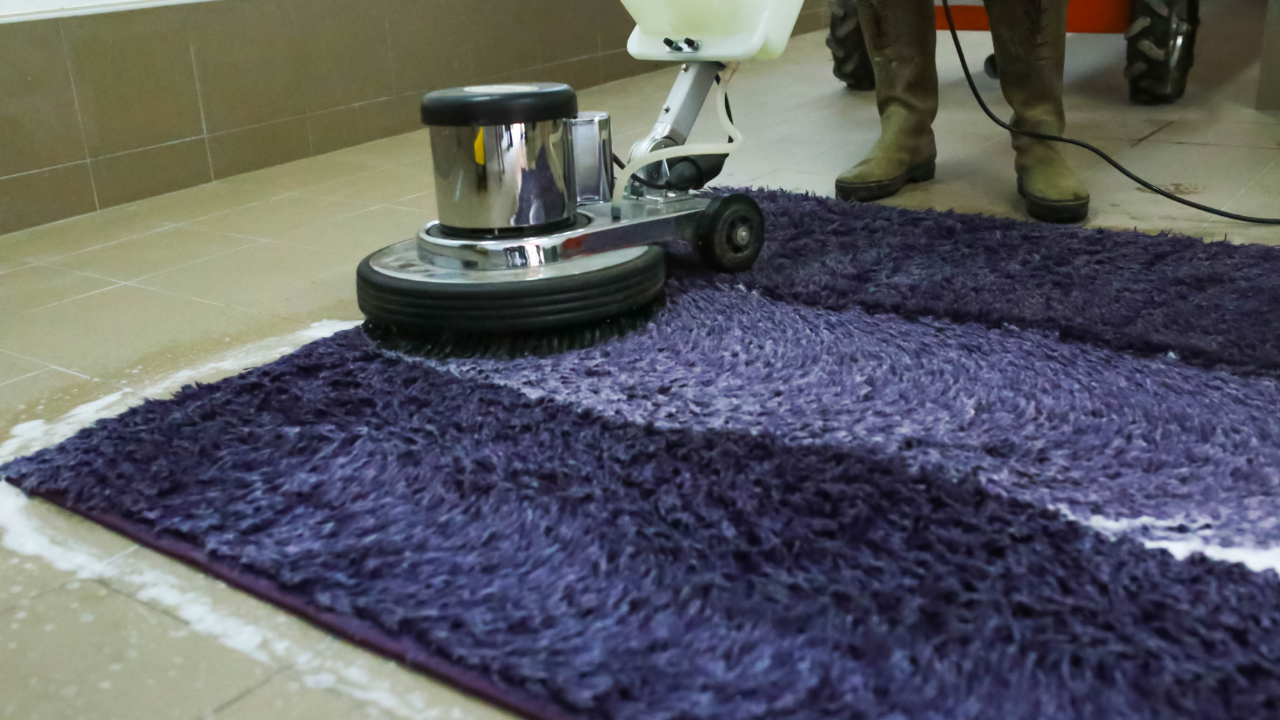
How Professional Rug Cleaning Helps
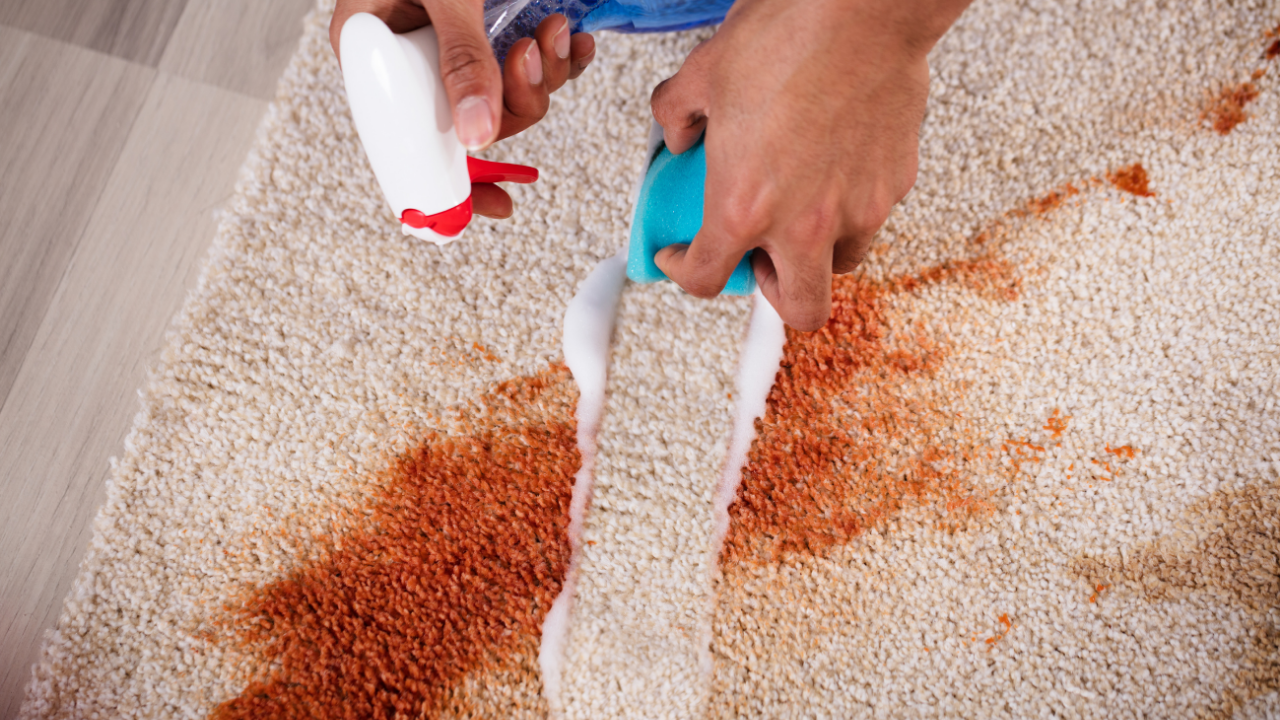
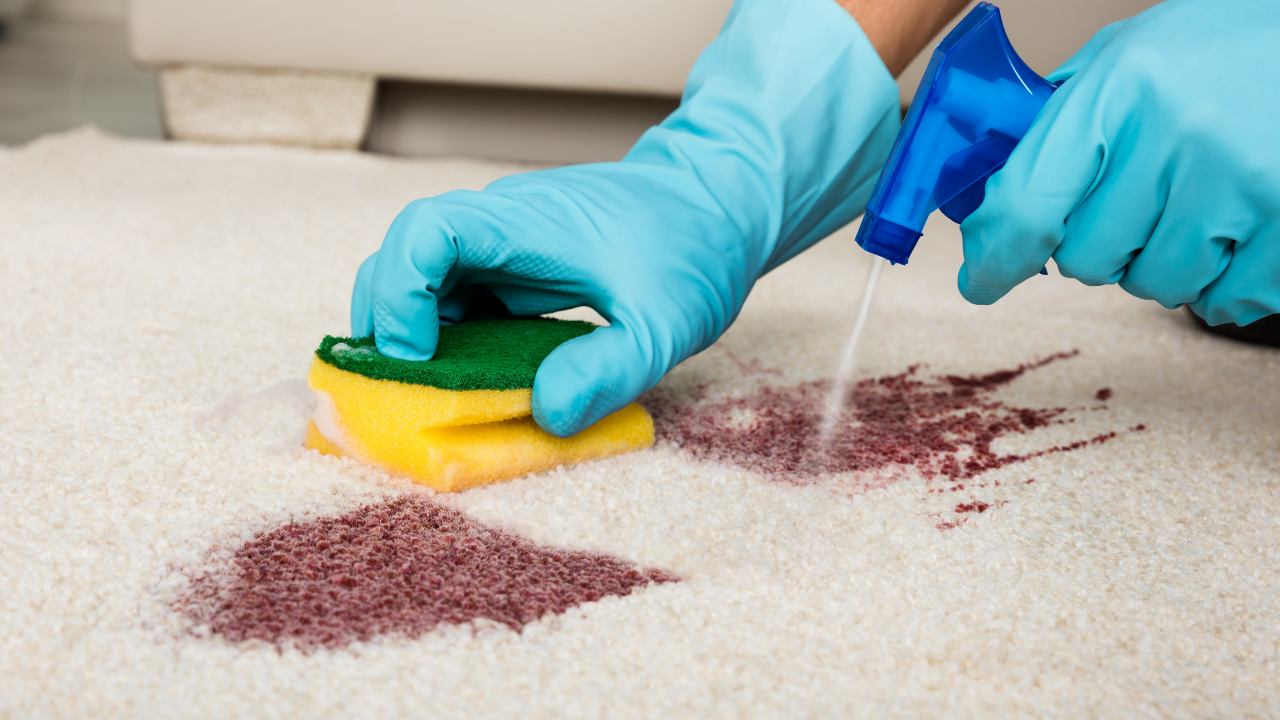
Rugs are one of the largest collectors of dust and allergens in many homes.
Deep within rug fibres, contaminants can accumulate over time.
Professional rug cleaning helps remove:
- Embedded dirt
- Dust mites
- Pet dander
- Allergens
- Odours
helping to improve both cleanliness and air quality.
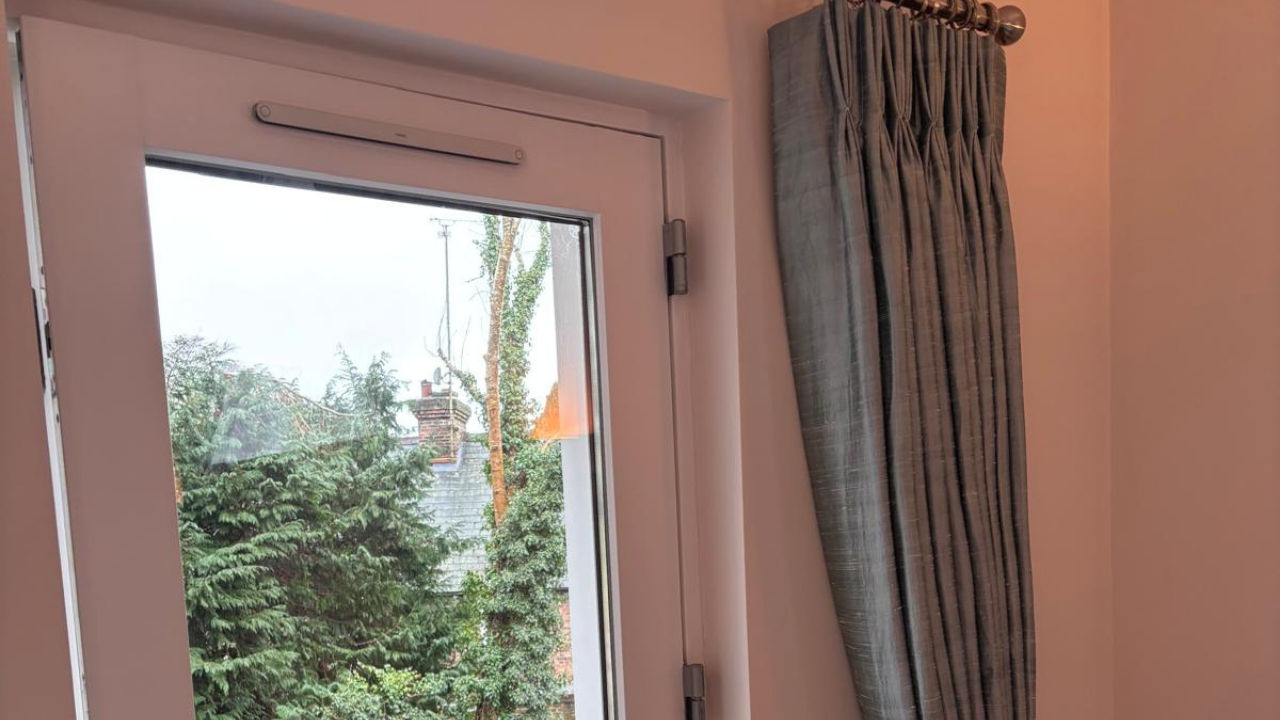
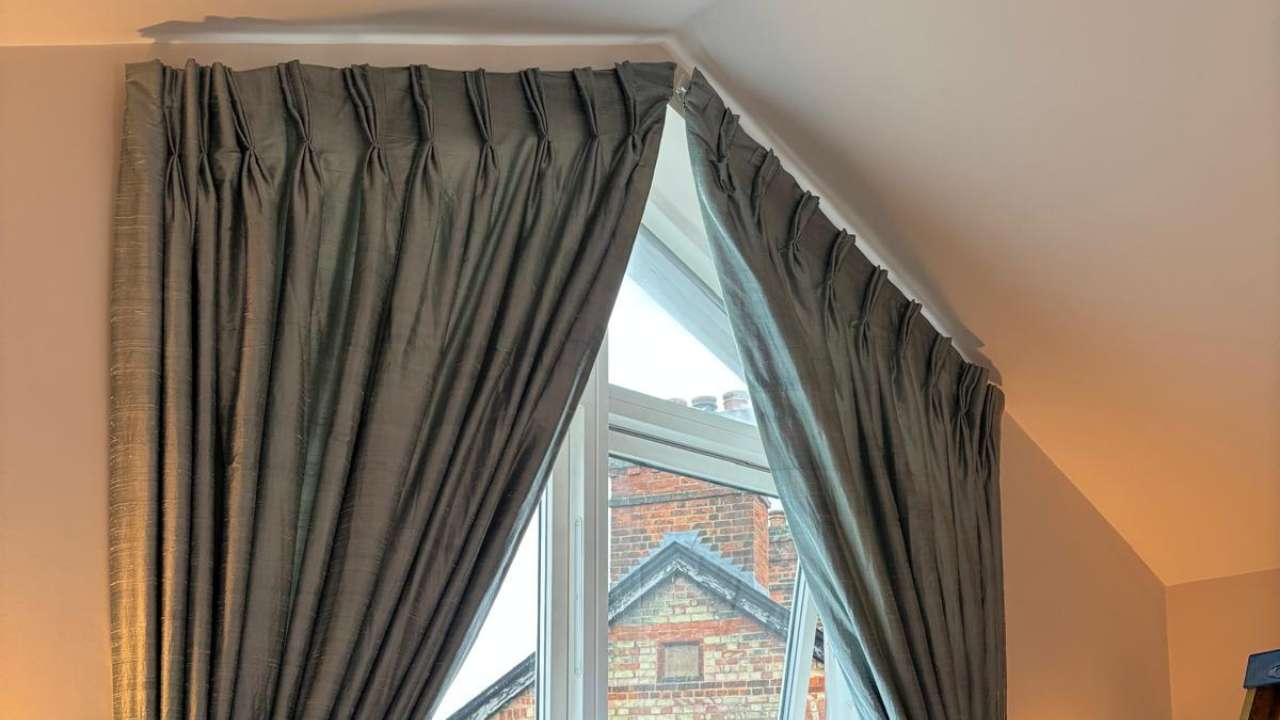
How Professional Curtain Cleaning Helps
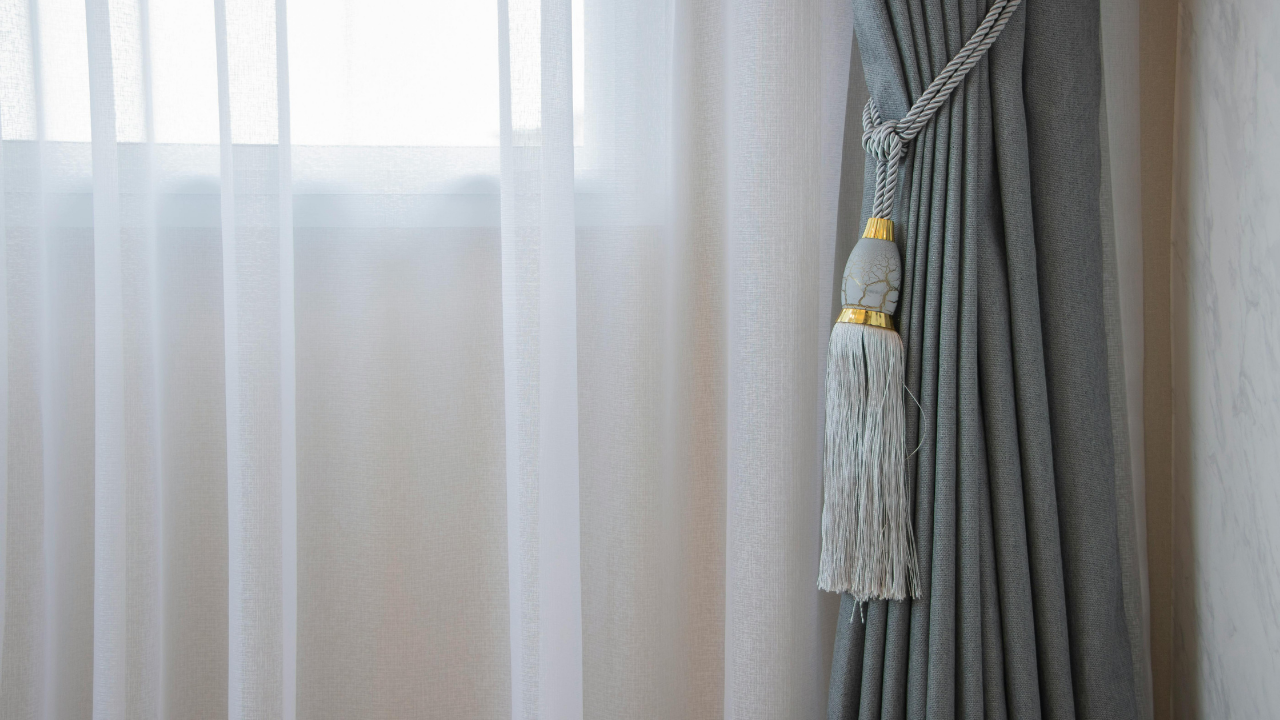
Curtains are often forgotten when it comes to cleaning.
However, they continuously collect:
- Dust
- Pollen
- Airborne pollutants
- Pet hair
Because curtains move whenever windows are opened or closed, trapped particles can easily be reintroduced into the room.
Professional curtain cleaning helps remove these contaminants and restore freshness.
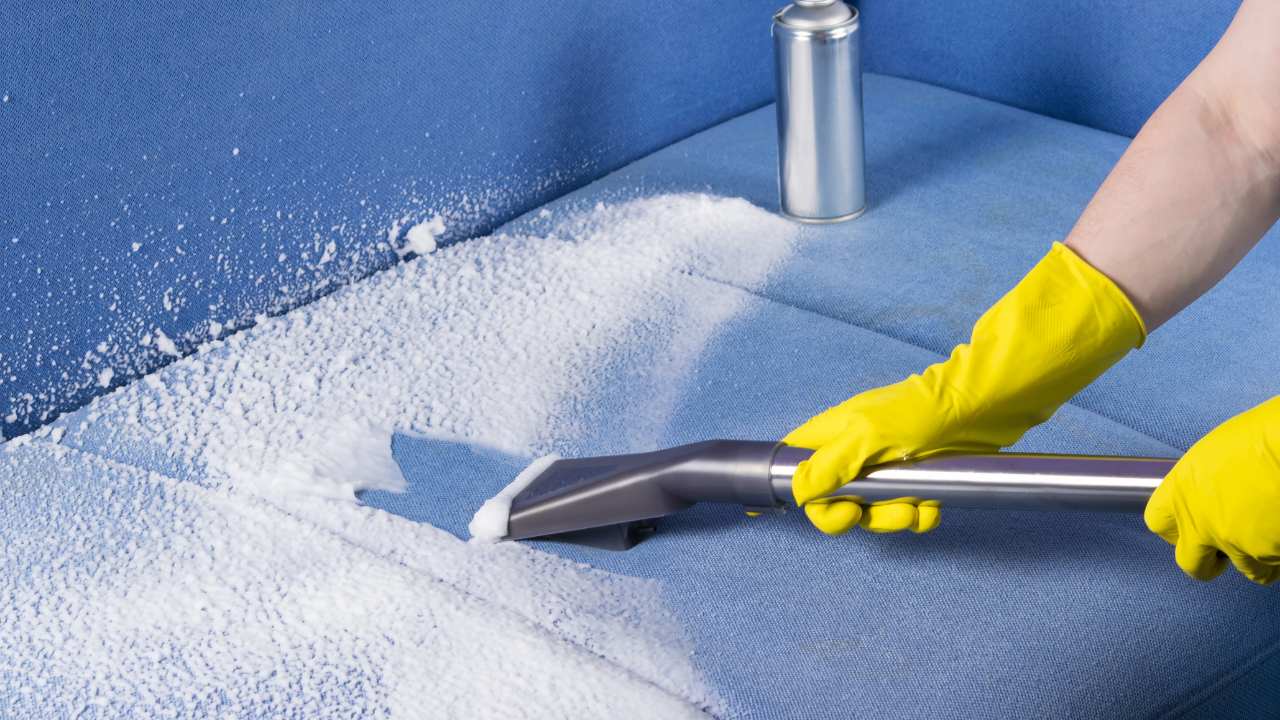
How Upholstery Cleaning Helps
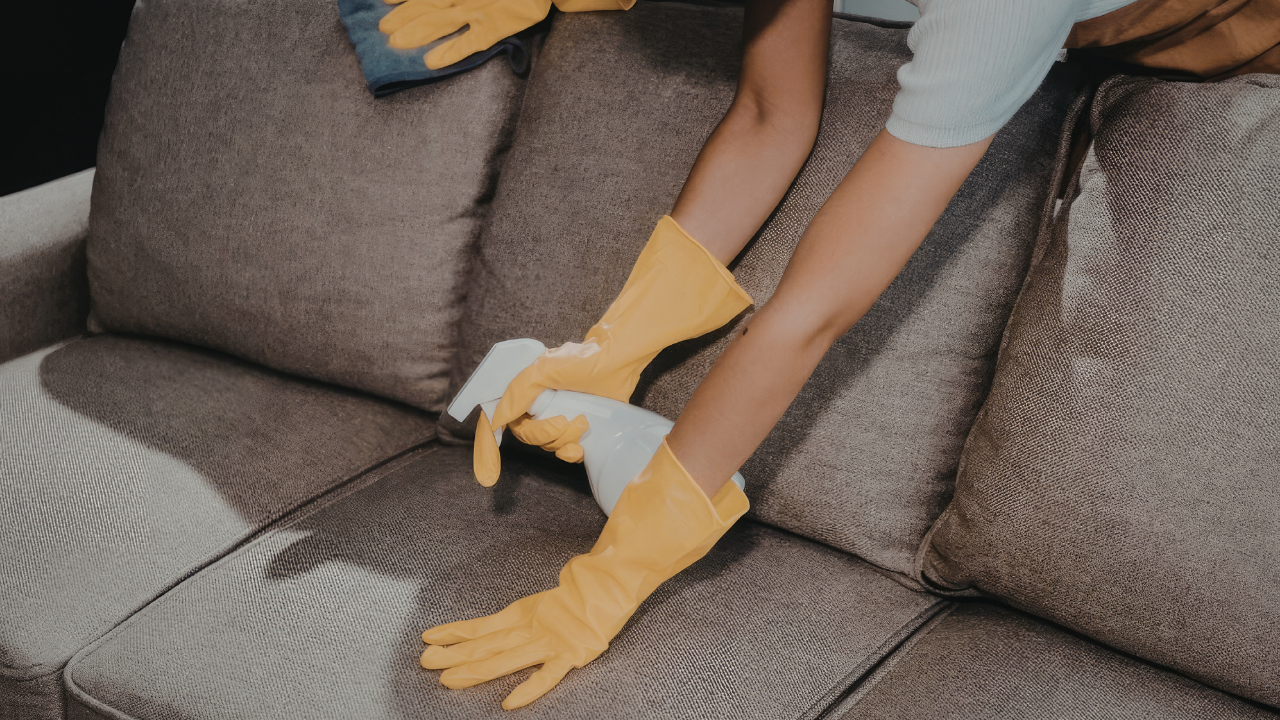
Sofas and upholstered furniture are among the most heavily used items in the home.
They absorb:
- Dust
- Body oils
- Pet dander
- Food particles
- Everyday contaminants
Professional upholstery cleaning removes much of this hidden build-up, helping to create a cleaner living space.
Odour Removal and Air Freshness
Indoor air quality is about more than allergens.
Over time, soft furnishings can absorb odours from:
- Pets
- Cooking
- Smoke
- Everyday living
Professional cleaning helps remove the source of these odours rather than simply covering them up.
The result is a fresher-smelling home and a cleaner indoor environment.
Why Vacuuming Alone Isn’t Enough
Vacuuming is an important part of regular home maintenance, but it has limitations.
Household vacuums are generally effective at removing surface debris but may struggle to remove deeply embedded contaminants trapped within fibres.
Professional cleaning uses specialist equipment designed to reach deeper into soft furnishings and extract dirt more effectively.
The Benefits of Cleaner Indoor Air
Improving indoor air quality can contribute to:
- A fresher-feeling home
- Reduced dust levels
- Lower allergen build-up
- Cleaner soft furnishings
- Improved comfort
- Better overall cleanliness
For families, pet owners, and allergy sufferers, these benefits can be particularly valuable.
Creating a Healthier Home Environment
Your home should be a place where you can relax and enjoy clean, comfortable surroundings.
Professional cleaning helps remove the hidden contaminants that build up within rugs, curtains, and upholstery, contributing to a cleaner and healthier indoor environment.
At ESQ Cleaning, we specialise in professional rug cleaning, curtain cleaning, and upholstery cleaning services designed to remove dirt, allergens, odours, and everyday contamination from your home.
If you’d like to improve the cleanliness and freshness of your home, contact ESQ Cleaning today to learn how professional cleaning can help create a healthier indoor environment for you and your family.