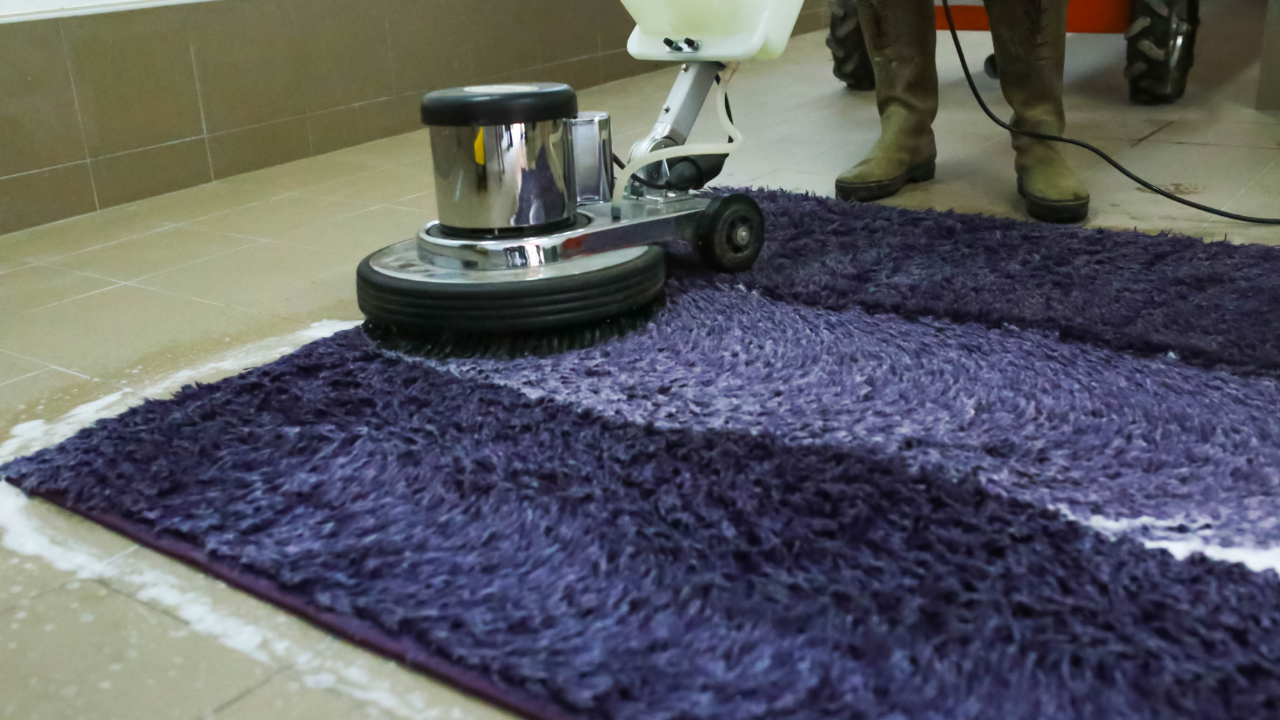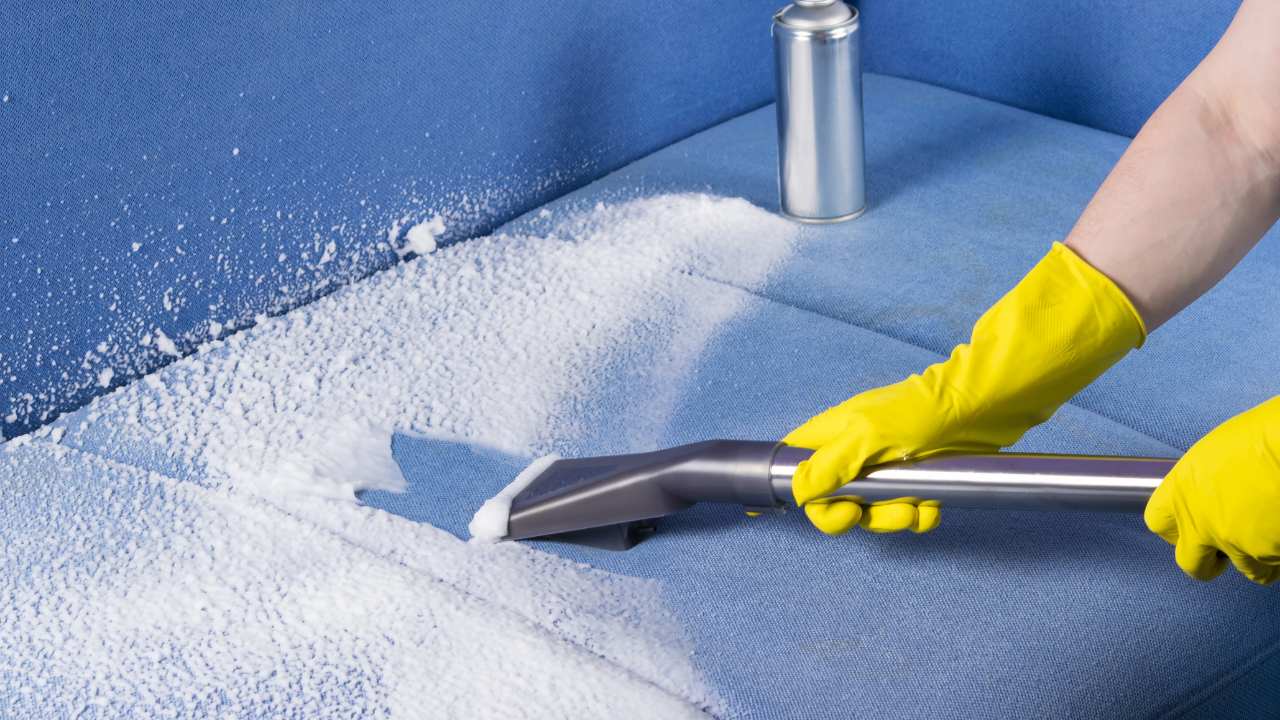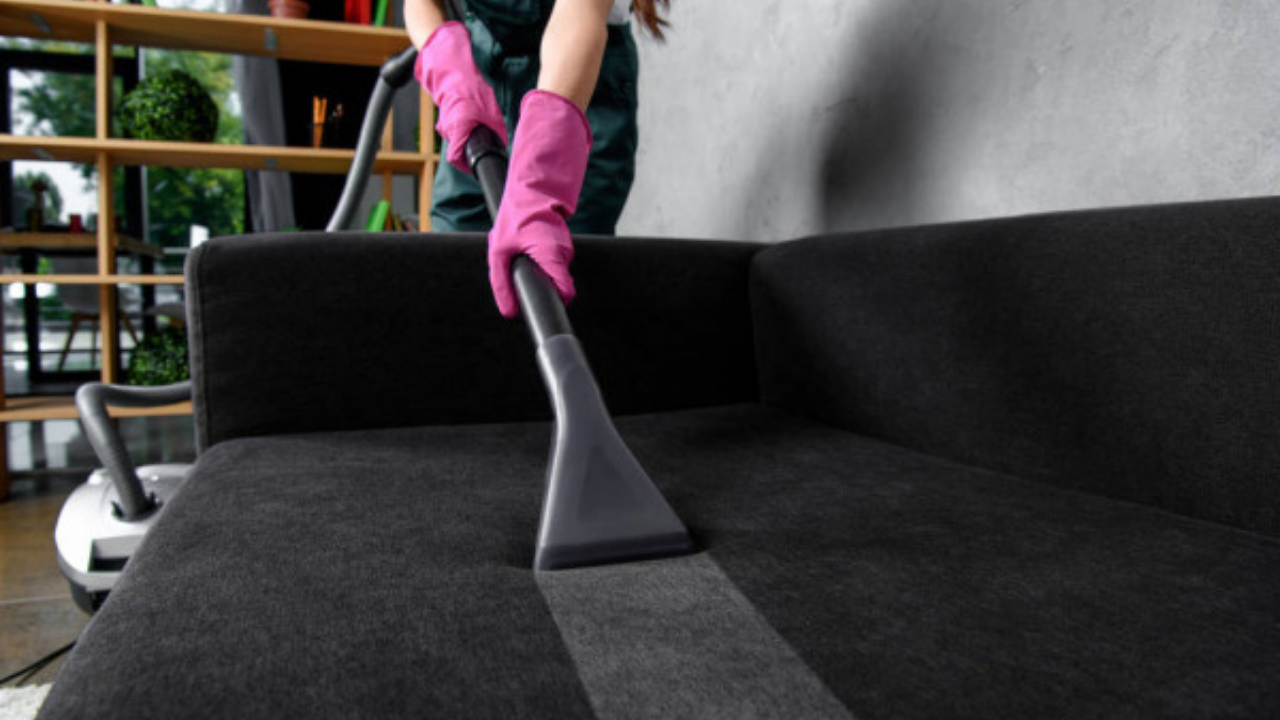
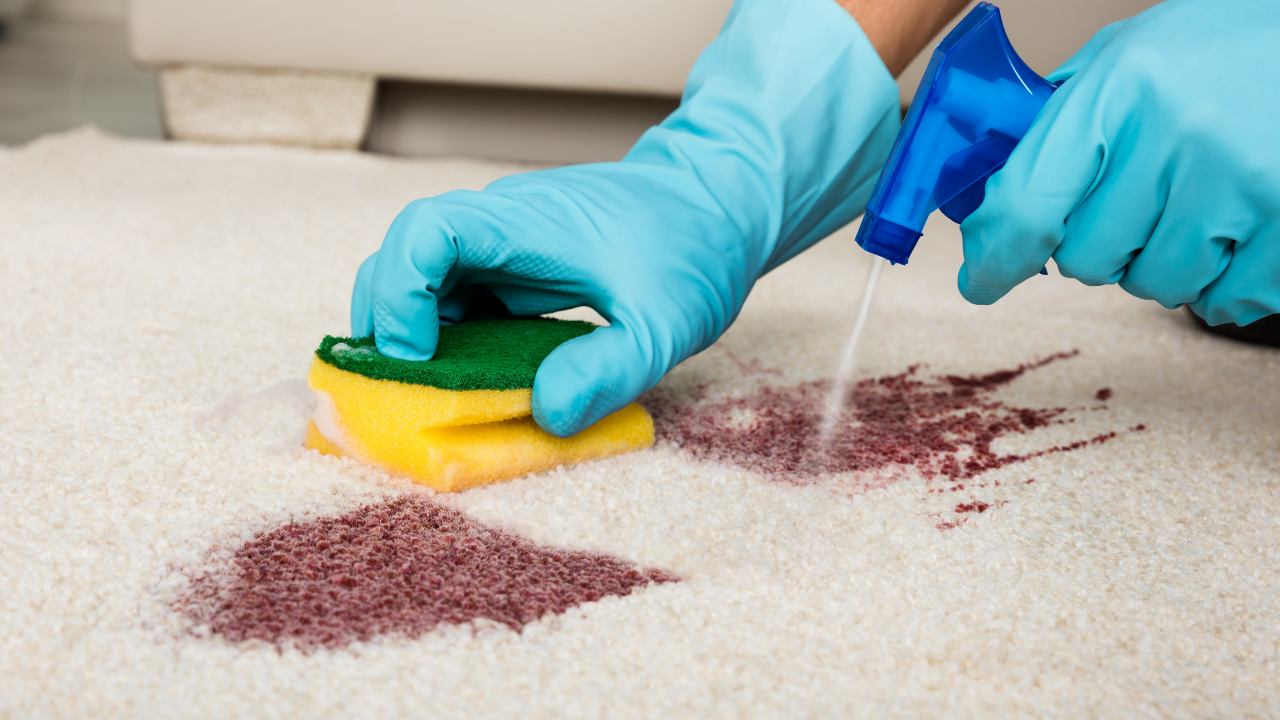
When a rug becomes stained or starts looking tired, many homeowners immediately reach for a rented cleaning machine, supermarket cleaning product, or a home remedy they’ve found online.
While DIY rug cleaning may seem like a cost-effective solution, it can often cause more harm than good. In many cases, the damage caused by improper cleaning methods can be difficult—or even impossible—to reverse.
Rugs are often significant investments, and some may hold sentimental or historical value. Understanding the risks of DIY cleaning can help protect your rug and ensure it remains in excellent condition for years to come.
Not All Rugs Are the Same
One of the biggest mistakes people make is assuming all rugs can be cleaned using the same methods.
In reality, rugs vary greatly in:
- Fibre type
- Construction
- Dye composition
- Age
- Backing materials
- Manufacturing techniques
For example:
- Wool rugs require different cleaning methods than synthetic rugs.
- Handmade rugs need different care than machine-made rugs.
- Natural fibre rugs can react differently to moisture and cleaning chemicals.
Using the wrong cleaning process can lead to permanent damage.
Risk #1: Over-Wetting the Rug
One of the most common problems with DIY rug cleaning is using too much water.
Many home carpet cleaning machines leave excess moisture behind, especially when used incorrectly.
Over-wetting can cause:
- Mould and mildew growth
- Musty odours
- Shrinkage
- Fibre distortion
- Damage to the rug backing
- Colour bleeding
Because rugs are often much denser than carpets, they can take significantly longer to dry properly. Moisture trapped deep within the rug can continue causing problems long after the cleaning appears complete.
Risk #2: Colour Bleeding and Dye Transfer
Many rugs contain delicate dyes that can react badly when exposed to incorrect cleaning products or excessive moisture.
This is particularly common with:
- Persian rugs
- Oriental rugs
- Antique rugs
- Handmade wool rugs
Once colours begin to bleed, they can spread into neighbouring fibres and permanently alter the appearance of the rug.
Professional cleaners test dyes and materials before cleaning to minimise this risk.
Risk #3: Using the Wrong Cleaning Products
Supermarket cleaning products are often marketed as universal solutions, but they are rarely suitable for every type of rug.
Some products may:
- Strip natural oils from fibres
- Leave sticky residues behind
- Cause discolouration
- Damage delicate materials
- Attract dirt more quickly after cleaning
Certain online “miracle cleaning hacks” can be particularly problematic.
Common household products such as vinegar, baking soda, washing-up liquid, and bleach are frequently recommended online, but can cause unintended damage if used incorrectly.
What works for one rug may be completely unsuitable for another.
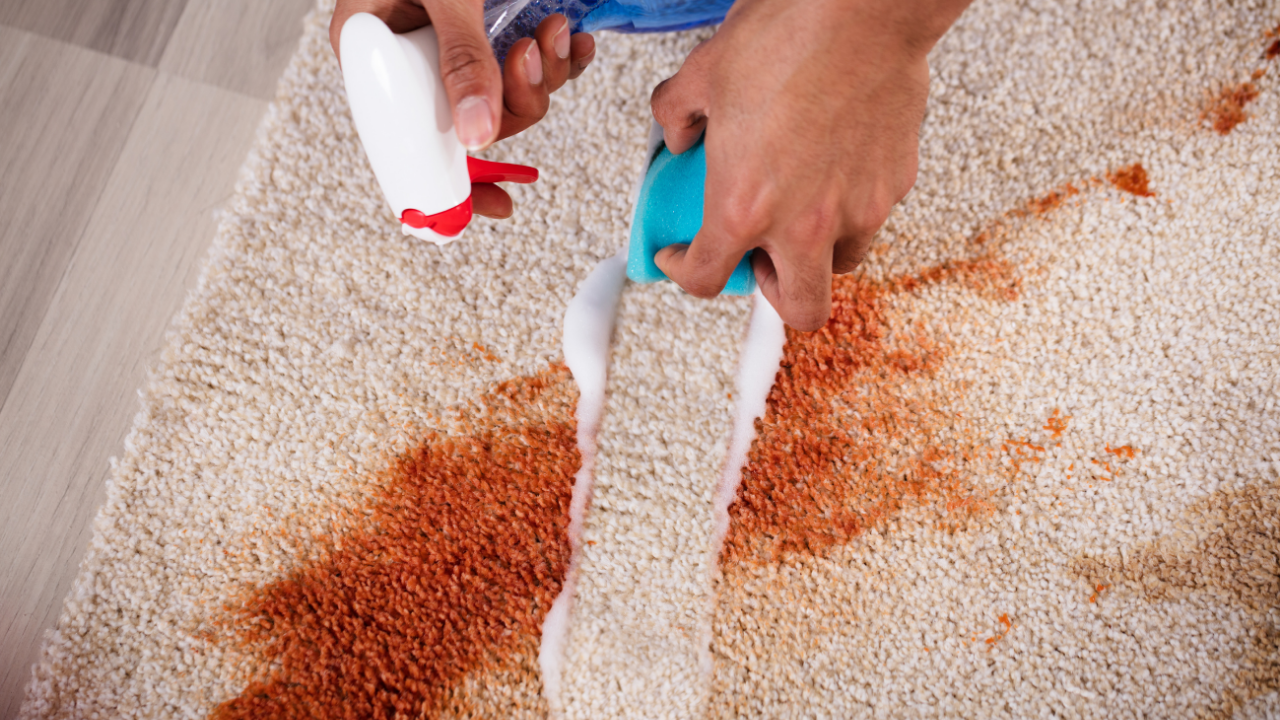
Risk #4: Stains Become Worse
Many DIY attempts focus on scrubbing stains aggressively.
Unfortunately, this often creates additional problems.
Scrubbing can:
- Push stains deeper into the fibres
- Damage the pile
- Spread the stain further
- Distort the rug’s appearance
- Cause permanent wear in one area
Professional stain treatment involves identifying the cause of the stain and using appropriate techniques designed to remove it safely.
Risk #5: Hidden Dirt Remains Behind
Even when a rug looks cleaner after DIY treatment, much of the dirt may still remain deep within the fibres.
Household vacuum cleaners and rental machines often struggle to remove:
- Fine dust particles
- Embedded grit
- Allergens
- Pet dander
- Bacteria
These contaminants continue to accumulate over time and can contribute to premature wear and reduced indoor air quality.
Professional equipment is specifically designed to reach deeper into the rug and extract contaminants more effectively.
Risk #6: Damage to Valuable Rugs
Many homeowners don’t realise the true value of their rug until it’s damaged.
High-quality rugs can represent a significant investment, and some handmade or antique pieces may be irreplaceable.
Professional cleaning is often considerably less expensive than repairing:
- Colour damage
- Shrinkage
- Fibre loss
- Structural distortion
- Water damage
Protecting the rug through specialist care is usually the safest and most cost-effective option.
Why Professional Rug Cleaning Is Different
Professional rug cleaning involves far more than simply applying water and detergent.
Specialist cleaners assess:
- Rug construction
- Fibre type
- Dye stability
- Existing damage
- Stains and contamination levels
The cleaning process can then be tailored specifically to the rug’s needs.
This helps achieve the best possible results while reducing the risk of damage.
The Long-Term Benefits of Professional Cleaning
Regular professional rug cleaning can help:
- Extend the life of your rug
- Preserve colours and patterns
- Improve indoor air quality
- Remove allergens and bacteria
- Eliminate odours
- Protect your investment
Most importantly, it provides peace of mind that your rug is being cared for correctly.
Trust the Experts with Your Rugs
While DIY cleaning may seem appealing, the risks often outweigh the potential savings. Rugs require specialist knowledge, equipment, and techniques to ensure they are cleaned safely and effectively.
At ESQ Cleaning, we provide professional rug cleaning services tailored to the specific needs of each rug. Whether you own a modern area rug, a valuable Persian rug, or a treasured family heirloom, our experienced team can help restore its appearance while protecting its condition.
If you’re considering cleaning your rug yourself, speak to our team first. A little expert advice today could save you from costly repairs tomorrow.